Life Science
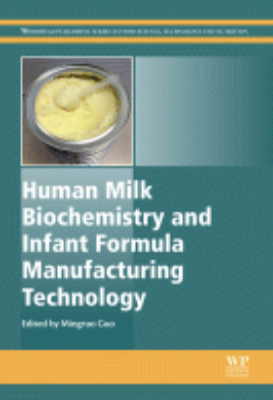
Human Milk Biochemistry And Infant Formula Manufacturing Technology
"Since infant formula substitutes for human milk, its composition must match that of human milk as closely as possible. Quality control of infant formula is also essential to ensure product safety, as infants are particularly vulnerable food consumers. This book reviews the latest research into human milk biochemistry and best practice in infant formula processing technology and quality control. Key Features. The most up to date reference on infant formula processing technology. Reviews both human milk biochemistry and infant formula processing technology for broad and applied coverage. Focusses exclusively on infant formulae"
Human Physiology Biochemistry and Basic Medicine
"Human Physiology, Biochemistry and Basic Medicine is a unique perspective that draws together human biology, physiology, biochemistry, nutrition, and cell biology in one comprehensive volume. In this way, it is uniquely qualified to address the needs of the emerging field of humanology, a holistic approach to understanding the biology of humans and how they are distinguished from other animals. Coverage starts with human anatomy and physiology and the details of the workings of all parts of the male and female body. Next, coverage of human biochemistry and how sugars, fats, and amino acids are made and digested is discussed, as is human basic medicine, covering the science of diseases and human evolution and pseudo-evolution. The book concludes with coverage of basic human nutrition, diseases, and treatments, and contains broad coverage that will give the reader an understanding of the entire human picture. Key Features. Covers the physiology, anatomy, nutrition, biochemistry and cell biology of humans, showing how they are distinguished from other animals. Includes medical literature and internet references, example test questions, and a list of pertinent words at the end of each chapter. Provides unique perspective into all aspects of what makes up and controls humans"

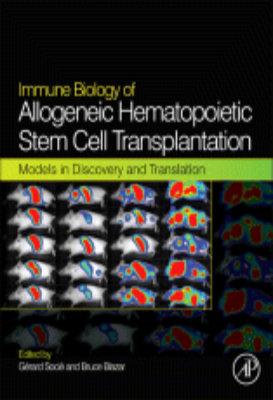
Immune Biology of Allogeneic Hematopoietic Stem Cell Transplantation
"Immune Biology of Allogeneic Hematopoietic Stem Cell Transplantation provides clinical and scientific researchers with a deep understanding of the current research in this field and the implications for translational practice. By providing an overview of the immune biology of HSCT, an explanation of immune rejection, and detail on antigens and their role in HSCT success, this book embraces biologists and clinicians who need a broad view of the deeply complex processes involved. It then moves on to discuss the immunobiology mechanisms that influence graft-versus-host disease (GVHD), graft-versus-leukemia (GVL) effect, and transplantation success. Using illustrative figures, highlighting key issues, describing recent successes and discussing unanswered questions, this book sums up the current state of HSCT to enhance the prospects for the future. Allogeneic HSCT is a medical procedure in which a patient receives blood-forming stem cells from a genetically similar but not identical donor. This procedure is commonly performed for people with diseases of the blood, bone marrow, or certain cancers, but it remains risky with many possible complications. As such, experimental practice is reserved for preclinical animal models including the mouse and dog. These animal models have been essential in developing transplant protocols, including preclinical testing of conditioning regimens, treatment of GVHD, and understanding the pathology of GVHD as well as the immunological mechanisms of GVHD and GVL effect. However, recent research has revealed significant species differences between humans and animal models that must be considered when relating animal model studies to clinical allogeneic HSCT scenarios. Key Features. Brings together perspectives leading laboratories and clinical research groups to highlight advances from bench to the bedside. Guides readers through the caveats that must be considered when drawing conclusions from studies with animal models before correlating to clinical allogeneic HSCT scenarios. Categorizes the published advances in various aspects of immune biology of allegeneic HSCT to illustrate opportunities for clinical applications"
Immunogenetics
Immunogenetics is a 12-chapter book that begins with the elucidation of the major histocompatibility complex genes and their role in autoimmune and infectious diseases. Subsequent chapters explore the human major histocompatibility complex, including implications of their complement genes for linkage disequilibrium and disease associations. This book also describes the genetics of human immunoglobulins; T-cell clones; genes of the major histocompatibility complex of the mouse; and the generation, characterization, and use of monoclonal antibodies of murine and human origin. Specific diseases are also discussed; these include spondoarthritides, rheumatoid arthritis, systemic lupus erythematosus, multiple sclerosis, and autoimmune thyroid disease. This book will be of beneficial value to specialists in infectious diseases, endocrinology, connective tissue diseases, and neurology, as well as to medical scientists in immunology and molecular biology.
Insect Molecular Biology and Biochemistry
"The publication of the extensive seven-volume work Comprehensive Molecular Insect Science provided a complete reference encompassing important developments and achievements in modern insect science. One of the most swiftly moving areas in entomological and comparative research is molecular biology, and this volume, Insect Molecular Biology and Biochemistry, is designed for those who desire a comprehensive yet concise work on important aspects of this topic. This volume contains ten fully revised or rewritten chapters from the original series as well as five completely new chapters on topics such as insect immunology, insect genomics, RNAi, and molecular biology of circadian rhythms and circadian behavior. The topics included are key to an understanding of insect development, with emphasis on the cuticle, digestive properties, and the transport of lipids; extensive and integrated chapters on cytochrome P450s; and the role of transposable elements in the developmental processes as well as programmed cell death. This volume will be of great value to senior investigators, graduate students, post-doctoral fellows and advanced undergraduate research students. It can also be used as a reference for graduate courses and seminars on the topic. Chapters will also be valuable to the applied biologist or entomologist, providing the requisite understanding necessary for probing the more applied research areas related to insect control. Key Features. Topics specially selected by the editor-in-chief of the original major reference work. Fully revised and new contributions bring together the latest research in the rapidly moving fields of insect molecular biology and insect biochemistry, including coverage of development, physiology, immunity and proteomics. Full-color provides readers with clear, useful illustrations to highlight important research findings"
Insect Molecular Genetics, 2nd ed.-key
Insect Molecular Genetics, 2nd edition, is a succinct book that briefly introduces graduate and undergraduate students to molecular genetics and the techniques used in this well established and important discipline. The book is written for two converging audiences: those familiar with insects that need to learn about molecular genetics, and those that are familiar with molecular genetics but not familiar with insects. Thus, this book is intended to fill the gap between two audiences that share a common middle ground.
Insect Molecular Genetics: 1994
Developed as an introduction to new molecular genetic techniques, Insect Molecular Genetics also provides literature, terminology, and additional sources of information to students, researchers, and professional entomologists. Although most molecular genetics studies have employed Drosophila, this book applies the same techniques to other insects, including pest insects of economic importance.As a text, as a reference, as a primer, and as a review of a vast and growing literature, Insect Molecular Genetics is a valuable addition to the libraries of entomologists, geneticists, and molecular biologists.
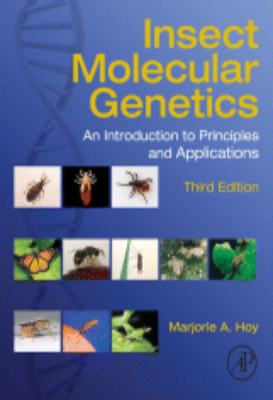
Insect Molecular Genetics: Third Edition 2013
Insect Molecular Genetics, Third Edition, summarizes and synthesizes two rather disparate disciplinesentomology and molecular genetics. This volume provides an introduction to the techniques and literature of molecular genetics; defines terminology; and reviews concepts, principles, and applications of these powerful tools. The world of insect molecular genetics, once dominated by Drosophila, has become much more diverse, especially with the sequencing of multiple arthropod genomes (from spider mites to mosquitoes). This introduction includes discussion of honey bees, mosquitoes, flour beetles, silk moths, fruit flies, aphids, house flies, kissing bugs, cicadas, butterflies, tsetse flies and armyworms. This book serves as both a foundational text and a review of a rapidly growing literature. With fully revised and updated chapters, the third edition will be a valuable addition to the personal libraries of entomologists, geneticists, and molecular biologists.
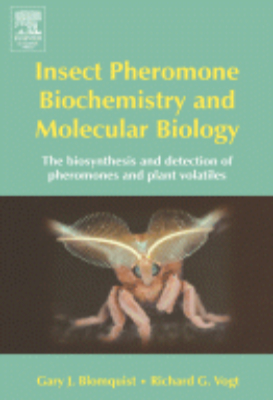
Insect Pheromone Biochemistry and Molecular Biology
"A valuable new reference on insect behavior, this exceptional new text delves into the primary sensory communication system used by most insects -- their sense of smell. Insect Pheromone Biochemistry and Molecular Biology covers how insects produce pheromones and how they detect pheromones and plant volatiles. Since insects rely on pheromone detection for both feeding and breeding, a better understanding of insect olfaction and pheromone biosynthesis could help curb the behavior of pests without the use of harmful pesticides and even help to reduce the socio-economic impacts associated to human-insect interactions. Key Features. Covers biochemistry and molecular biology of insect pheromone production. Explains pheromone production in moths, beetles, flies, and social insects. Describes pheromone and plant volatile reception"

Introduction to Animal Physiology and Physiological Genetics
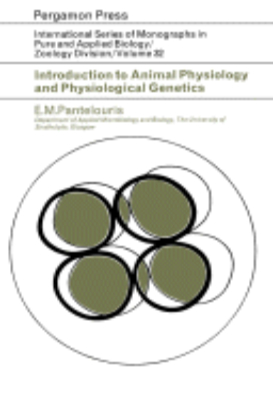
Introduction to Animal Physiology and Physiological Genetics, deals with topics on physiological measurement, comparisons, and analysis of the role of genotypes. This book emphasizes two aspects the changes of physiological patterns in the course of development and the wide variation that can be found within a species. The text discusses the response mechanisms of living organisms from nerve impulses, chemical sense, muscle reaction, and includes some studies made on brain function. The effects of nutrition and energy such as the intake of food, water, oxygen, and the calculation of basic metabolic rates are explained. The book then discusses the role of the internal environment and that of the interstitial body fluid in the higher animals. The discussion covers blood circulation, cardiac cycle, and a special section on the function of the heartbeat in the spider Limulus showing that stimulation of the abdominal ganglia increases the heartbeats. The text also considers significant concepts of physiological genetics, and then explains asexual and sexual reproduction, the sex hormones of invertebrates, and the use of stimulants for animal production. The physiological differences between species are examined, but more particularly on the reservoir of genetic diversity, where differences abound between families and offspring. One research made in molecular biology concludes that genes are responsible for regulating the amino acid sequence of proteins. Molecular biologists, general biologists, zoologists, and microbiologists will find the articles in this collection invaluable.
Introduction to Ecological Biochemistry
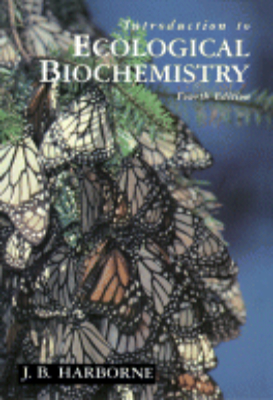
"Ecological biochemistry concerns the biochemistry of interactions between animals, plants and the environment, and includes such diverse subjects as plant adaptations to soil pollutants and the effects of plant toxins on herbivores. The intriguing dependence of the Monarch butterfly on its host plants is chosen as an example of plant-animal coevolution in action. The ability to isolate trace amounts of a substance from plant tissues has led to a wealth of new research, and the fourth edition of this well-known text has consequently been extensively revised. New sections have been provided on the cost of chemical defence and on the release of predator-attracting volatiles from plants. New information has been included on cyanogenesis, the protective role of tannins in plants and the phenomenon of induced defence in plant leaves following herbivory. Advanced level students and research workers aloke will find much of value in this comprehensive text, written by an acknowledged expert on this fascinating subject. Key Features. The book covers the biochemistry of interactions between animals, plants and the environment, and includes such diverse subjects as plant adaptations to soil pollutants and the effects of plant toxins on herbivores. The intriguing dependence of the Monarch butterfly on its host plants is chosen as an example of plant-animal coevolution in action. New sections have been added on the cost of chemical defence and on the release of predators attracting volatiles from plants. New information has been included on cyanogenesis, the protective role of tannins in plants and the phenomenon of induced defence in plant leaves following herbivory"
Introduction to Forest Genetics
Introduction to Forest Genetics examines some of the basic genetic concepts typically used in forestry and tree improvement studies, including Mendelian and population genetics. It also describes techniques that are generally useful in tree improvement work, including individual tree selection and breeding, provenance testing, species and racial hybridization, and introduction of exotics. Organized into 19 chapters, this volume begins with an overview of forest genetics and problems associated with forest genetics. It then discusses concepts from basic genetics, including chromosome structure and function; DNA and RNA; nongenetic inheritance; and genotype versus phenotype. Other chapters focus on inbreeding: complete elimination of homozygous recessive trees; mutation and migration; and controlled pollination and vegetative propagation. The book also covers the establishment and measurement of test plantations; general principles and methods of selective breeding; choice of breeding method and type of seed orchard; heritability and genetic gain; geographic variation in Scotch pine and American trees; species and racial hybridization; chromosome studies; and polyploidy and haploidy breeding. This book is a valuable resource for foresters, professional tree breeders, and those with or without previous training in genetics or forestry.
Introduction to Genetics
Introduction to Genetics: Science of Heredity presents a linear programmed text about hereditary and genetics. This book discusses a variety of topics related to heredity and genetics, including chromosomes, genes, Mendelism, mitosis, and meiosis. Organized into six chapters, this book begins with an overview of some of the experiments that first provide an understanding of heredity and laid the foundation of the science of genetics. This text then provides detailed information about the cell and explains how the essential parts of it reproduce and divide. Other chapters consider how the chromosome theory can explain not only the facts of Mendelism, but also the many complications that arise in genetics. This book discusses as well the problems that can happen during the process of mitosis and meiosis. The final chapter deals with the practical problems that confront the plant breeder. This book is a valuable resource for teachers and students of biology.
Introduction to Modern Biochemistry: Fourth Edition 1975
Introduction to Modern Biochemistry, Fourth Edition provides an understanding of the chemical background of biological phenomena. This book discusses the concepts of generation and utilization of free energy. Organized into 23 chapters, this edition starts with an overview of the important role of amides in biochemistry. This text then explores the chemical structure of proteins and describes the methods of determining the amino acids sequence of proteins. Other chapters consider the role of genes in protein and enzyme synthesis. This book discusses as well the significance of the submicroscopic structure of the cell in biochemical reactions. The reader is also introduced to the chemistry of the carbohydrates. The final chapter deals with biochemical functions of various organs, including the digestive tract, liver, kidney, nervous system, muscles, and connective tissues. This book is a valuable resource for biologists, biochemists, scientists, researchers, and readers who are interested in the field of biochemistry.

Introduction to Modern Biochemistry: Second Edition 1965
Introduction to Modern Biochemistry, Second Edition focuses on the methodologies, processes, reactions, and technologies involved in biochemistry. The publication first takes a look at organic chemistry and biochemistry, amino acids, and peptides. Discussions focus on the determination of amino acid sequence in peptides, naturally occurring peptides, chemical properties, separation of amino acids, hydrocarbons as parent substances, functional groups, polymeric compounds, and reactions with biochemical significance. The text then ponders on proteins, enzymes and biocatalysis, and coenzymes. The manuscript examines nucleic acids and protein biosynthesis, metabolism of proteins, and porphyrins and hemins. Topics include chemical constitution of heme, significance and reactions of blood pigment, metabolism of aromatic amino acids, degradation to activated fatty acids, decarboxylation of amino acids, and biosynthesis and degradation of nucleotides. The text also ponders on carbon dioxide formation in the citrate cycle, fats and fat metabolism, and phosphatides, cerebrosides, and gangliosides. The book is a valuable reference for biochemists and researchers interested in the processes, approaches, and technologies involved in biochemistry.