E-Resources
Host-pathogen Interactions in Plant Disease
This book describes the genetics, biochemistry, and epidemiology of host-pathogen interactions in plant disease, especially as they concern the breeding of crops for disease resistance. It analyzes a wealth of information that has not previously been recorded in other books or reviews. Some of it stems from basic surveys of disease in the field. The analysis of these surveys not only explains a great deal about host-pathogen interactions that was heretofore obscure, but also indicates directions for future research. Other data, from original papers, have now been coordinated for the first time and organized in a way that suggests new areas of research. The book contains more than fifty new tables that integrate data and relate them to general principles of host-pathogen interactions. For plant pathologists and plant breeders concerned with the control of plant disease, the book shows how to manipulate the host and, indirectly, the pathogen in order to control disease. It analyzes records of resistance against disease that time has shown to be stable in an effort to determine what has kept this resistance stable. It also analyzes the structure of virulence in populations of a pathogen, and demonstrates how virulence can be deliberately restricted. The author updates information on the gene-for-gene hypothesis and discusses the numerical and biological implications of the hypothesis. He analyzes the structure of epidemics based on three fundamental variables: the initial inoculum, the progeny/parent ratio of the pathogen, and the latent period. The author concentrates on the progeny/parent ratio - a subject not hitherto probed in detail in the literature - and shows how to determine the type of epidemic that can occur.
How Plants Defend Themselves
Plant Disease An Advanced Treatise, Volume V: How Plants Defend Themselves describes the active, passive, physical, chemical, mechanical, and physiological defense systems of plants against the pathogens. Divided into 23 chapters, this volume discusses theories, experimental approaches, and ways to help plant defend themselves. The opening chapters of this volume deal with certain general aspects of plant defense, such as the theories of tolerance to disease and the time sequence of defense, including a dynamic model of defense. A chapter discusses how plant populations defend themselves in natural ecosystem and the implications of disease management on agroecosystems. Considerable chapters examine the defense by the host by analogy with defense of a medieval castle, such as perimeter, internal, and chemical defenses. Discussions on the defenses triggered by the invading pathogen; recognition and compatibility phenomena; the concept of hypersensitivity; the role of phytoalexins in defense; and the metabolic detoxification done by plants to suffer less damage from toxins are provided. This volume also discusses the theory and mechanisms of hypovirulence and hyperparasitism. The concluding chapters summarize the effects of numerous nutrients on disease and the mechanisms involved. This volume is an invaluable source for plant pathologists, mycologists, advanced researches, and graduate students.
How Plants Suffer from Disease
Plant Diseases An Advanced Treatise, Volume III: How Plants Suffer from Disease deals with the mechanism on how individual plants suffer from disease. Organized into 19 chapters, this volume discusses plant growth, the conceptual theory of disease development in plants, and the occurrence of different kinds of impairment in diseased plant system. The opening chapters outline the array of physiological functions that are essential in the growth and development of healthy plants. This text also describes the effect of disease on the capture, transfer, and utilization of energy by plants. The subsequent chapters discuss specific types of dysfunction in plant system, including food flow, water system, mineral nutrition, and growth alteration. Other chapters deal with other plant diseases, such as crown gall, teratoma, dysfunction and shortfalls of symbiont responses, disrupted reproduction, and tissue disintegration. This volume also examines various physical factors of the environment that impose mechanical or other physical stresses on plants. It also discusses the engineering mechanics of growing plants and the effect of various pathogens and microorganisms on plant strength and plant organ structural integrity. Other chapters deal with the effect of disease on cell membrane and permeability and on intermediary plant metabolism. The concluding chapters cover the genetic aspects of diseased plants and the diseases that induce senescence and diseases that senescence induced. This volume is an invaluable source for plant pathologists and researchers, mycologists, virologists, and graduate students.

Human Cytogenetics
Human Cytogenetics: Clinical Cytogenetics, Volume II presents the general theoretical principles and clinical aspects of cytogenetics, a branch of genetics that deals specifically with the study of the chromosomes. The volume focuses on the clinical cytogenetics of human. It discusses the sex chromosomes and their abnormalities and the abnormalities of sexual development and differentiation; mechanism of sex determination in mammals; major autosomal abnormalities found in human populations; and chromosome abnormalities in relation to human pregnancy wastage and chromosome changes in neoplasia. The book will be a great reference book for geneticists, cytogeneticists, pathologists, clinicians, and medical students.
Human Milk Biochemistry And Infant Formula Manufacturing Technology
"Since infant formula substitutes for human milk, its composition must match that of human milk as closely as possible. Quality control of infant formula is also essential to ensure product safety, as infants are particularly vulnerable food consumers. This book reviews the latest research into human milk biochemistry and best practice in infant formula processing technology and quality control. Key Features. The most up to date reference on infant formula processing technology. Reviews both human milk biochemistry and infant formula processing technology for broad and applied coverage. Focusses exclusively on infant formulae"
Human Physiology Biochemistry and Basic Medicine
"Human Physiology, Biochemistry and Basic Medicine is a unique perspective that draws together human biology, physiology, biochemistry, nutrition, and cell biology in one comprehensive volume. In this way, it is uniquely qualified to address the needs of the emerging field of humanology, a holistic approach to understanding the biology of humans and how they are distinguished from other animals. Coverage starts with human anatomy and physiology and the details of the workings of all parts of the male and female body. Next, coverage of human biochemistry and how sugars, fats, and amino acids are made and digested is discussed, as is human basic medicine, covering the science of diseases and human evolution and pseudo-evolution. The book concludes with coverage of basic human nutrition, diseases, and treatments, and contains broad coverage that will give the reader an understanding of the entire human picture. Key Features. Covers the physiology, anatomy, nutrition, biochemistry and cell biology of humans, showing how they are distinguished from other animals. Includes medical literature and internet references, example test questions, and a list of pertinent words at the end of each chapter. Provides unique perspective into all aspects of what makes up and controls humans"
Human-Animal Medicine
"Human-Animal Medicine is an innovative reference exploring the unprecedented convergence of human, animal, and environmental health, triggering global pandemics and requiring new clinical paradigms. The ""One Health"" approach calls for greater communication and cooperation between human health care providers, public health professionals, and veterinarians to better address vital issues of emerging diseases and environmental change. This incredibly timely book provides, for the first time, practical guidelines for ""One Health"" collaborations in a wide range of clinical human-animal health issues, including the H1N1 virus, zoonotic diseases, the human-animal bond, animal allergy, bites and stings, and animals as ""sentinels"" for toxic environmental health hazards. Key Features. UNIQUE! For each condition, specific steps human health care providers, veterinarians, and public health professionals must take to prevent and manage disease.. UNIQUE! Comparative tables of disease signs, diagnosis and treatment in humans and animals for easy reference.. UNIQUE! Guidelines to detect and improve environmental factors affecting the health of humans and animals.. Occupational health guidelines for preventive care of animal workers including veterinary personnel, farmers, pet store employees, and zoo workers.. Treatment of emerging disease issues including zoonoses, H1N1 virus, harmful algae blooms, and animal-related pesticides. UNIQUE! Sample protocols facilitate professional communication between veterinarians, human health clinicians, and public health professionals.. Legal and ethical aspects of ""One Health"" that human health providers and veterinarians need to know."
Humane Handling of Livestock
"Efficient Livestock Handling: The Practical Application of Animal Welfare and Behavioral Science brings together the science-based disciplines of animal behavior and welfare to discuss how knowledge of one area (behavior) can be used to promote the other. Emphasis is on cattle and horses, but swine, sheep, and goats are also covered. Three major areas are included and integrated into a practical approach to working with the various species. Basic behavior as it applies to handling is discussed, with differences noted between species. The connections of behavior and handling are covered, and practical applications discussed, both with a liberal use of pictures and videos to bring the concepts to life. Key Features. Incorporates a clear, approachable style for researchers and practitioners alike, facilitating understanding of the techniques described. Features supplementary video content on a companion site, providing practical demonstration of the topics discussed in the work and a useful tool for learning the concepts presented. Includes extensive references, increasing the book's utility for serious researchers as well as those who want to implement better handling practices"
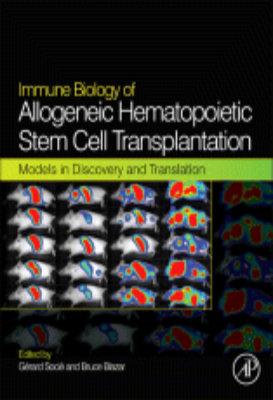
Immune Biology of Allogeneic Hematopoietic Stem Cell Transplantation
"Immune Biology of Allogeneic Hematopoietic Stem Cell Transplantation provides clinical and scientific researchers with a deep understanding of the current research in this field and the implications for translational practice. By providing an overview of the immune biology of HSCT, an explanation of immune rejection, and detail on antigens and their role in HSCT success, this book embraces biologists and clinicians who need a broad view of the deeply complex processes involved. It then moves on to discuss the immunobiology mechanisms that influence graft-versus-host disease (GVHD), graft-versus-leukemia (GVL) effect, and transplantation success. Using illustrative figures, highlighting key issues, describing recent successes and discussing unanswered questions, this book sums up the current state of HSCT to enhance the prospects for the future. Allogeneic HSCT is a medical procedure in which a patient receives blood-forming stem cells from a genetically similar but not identical donor. This procedure is commonly performed for people with diseases of the blood, bone marrow, or certain cancers, but it remains risky with many possible complications. As such, experimental practice is reserved for preclinical animal models including the mouse and dog. These animal models have been essential in developing transplant protocols, including preclinical testing of conditioning regimens, treatment of GVHD, and understanding the pathology of GVHD as well as the immunological mechanisms of GVHD and GVL effect. However, recent research has revealed significant species differences between humans and animal models that must be considered when relating animal model studies to clinical allogeneic HSCT scenarios. Key Features. Brings together perspectives leading laboratories and clinical research groups to highlight advances from bench to the bedside. Guides readers through the caveats that must be considered when drawing conclusions from studies with animal models before correlating to clinical allogeneic HSCT scenarios. Categorizes the published advances in various aspects of immune biology of allegeneic HSCT to illustrate opportunities for clinical applications"
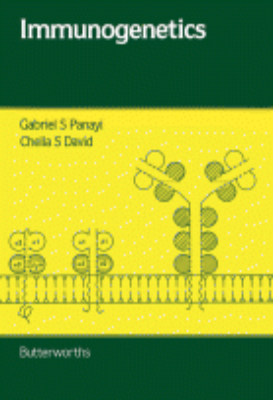
Immunogenetics
Immunogenetics is a 12-chapter book that begins with the elucidation of the major histocompatibility complex genes and their role in autoimmune and infectious diseases. Subsequent chapters explore the human major histocompatibility complex, including implications of their complement genes for linkage disequilibrium and disease associations. This book also describes the genetics of human immunoglobulins; T-cell clones; genes of the major histocompatibility complex of the mouse; and the generation, characterization, and use of monoclonal antibodies of murine and human origin. Specific diseases are also discussed; these include spondoarthritides, rheumatoid arthritis, systemic lupus erythematosus, multiple sclerosis, and autoimmune thyroid disease. This book will be of beneficial value to specialists in infectious diseases, endocrinology, connective tissue diseases, and neurology, as well as to medical scientists in immunology and molecular biology.
Improving Farmed Fish Quality and Safety
"Global aquaculture production has grown rapidly over the last 50 years. It is generally accepted that there is limited potential to increase traditional fisheries since most fish stocks are well or fully exploited. Consequently increased aquaculture production is required in order to maintain global per capita fish consumption at the present level. Fish farming enables greater control of product quality and safety, and presents the possibility of tailoring products according to consumer demands. This important collection reviews safety and quality issues in farmed fish and presents methods to improve product characteristics. The first part of the book focuses on chemical contaminants, chemical use in aquaculture and farmed fish safety. After an opening chapter discussing the risks and benefits of consumption of farmed fish, subsequent contributions consider environmental contaminants, pesticides, drug use and antibiotic resistance in aquaculture. Part two addresses important quality issues, such as selective breeding to improve flesh quality, the effects of dietary factors including alternative lipids and proteins sources on eating quality, microbial safety of farmed products, parasites, flesh colouration and off-flavours. Welfare issues and the ethical quality of farmed products are also covered. The final part discusses ways of managing of product quality, with chapters on HACCP, monitoring and surveillance, authenticity and product labelling. With its distinguished editor and international team of contributors, Improving farmed fish quality and safety is a standard reference for aquaculture industry professionals and academics in the field. Key Features. Reviews safety and quality issues in farmed fish and presents methods to improve product characteristics. Discusses contaminants, persistent organic pollutants and veterinary drug residues and methods for their reduction and control. Addresses important quality issues, genetic control of flesh characteristics and the effects of feed on product nutritional and sensory quality"
Improving the Safety and Quality of Eggs and Egg Products: 2011 Egg Chemistry, Production and Consumption
Eggs are economical and of high nutritional value, yet can also be a source of foodborne disease. Understanding of the factors influencing egg quality has increased in recent years and new technologies to assure egg safety have been developed. Improving the safety and quality of eggs and egg products reviews recent research in these areas.Volume 1 focuses on egg chemistry, production and consumption. Part one sets the scene with information on egg production and consumption in certain countries. Part two then provides essential information on egg formation and chemistry. Factors that impact egg quality are the focus of part three. Chapters cover the role of poultry breeding, hen nutrition and laying environment, among other significant topics. Part four addresses organic and free range egg production, the impact of egg production on the environment and non-poultry eggs. A chapter on processed egg products completes the volume.With its distinguished editors and international team of contributors, Volume 1 of Improving the safety and quality of eggs and egg products is an essential reference for managers in the egg industry, professionals in the food industry using eggs as ingredients and all those with a research interest in the subject.
Improving the Safety and Quality of Eggs and Egg Products: 2011 Egg Safety and Nutritional Quality
Eggs are economical and of high nutritional value, yet can also be a source of foodborne disease. Understanding of the factors influencing egg quality has increased in recent years and new technologies to assure egg safety have been developed. Improving the safety and quality of eggs and egg products reviews recent research in these areas Volume 2 focuses on egg safety and nutritional quality. Part one provides an overview of egg contaminants, covering both microbial pathogens and chemical residues. Salmonella control in laying hens is the focus of part two. Chapters cover essential topics such as monitoring and control procedures in laying flocks and egg decontamination methods. Finally, part three looks at the role of eggs in nutrition and other health applications. Chapters cover dietary cholesterol, egg allergy, egg enrichment and bioactive fractions of eggs, among other topics. With its distinguished editors and international team of contributors, Volume 2 of Improving the safety and quality of eggs and egg products is an essential reference for managers in the egg industry, professionals in the food industry using eggs as ingredients and all those with a research interest in the subject.
Improving the Safety and Quality of Milk: 2010 Improving Quality in Milk Products
Consumers demand quality milk with a reasonable shelf-life, a requirement that can be met more successfully by the milk industry through use of improved processes and technologies. Guaranteeing the production of safe milk also remains of paramount importance. Improving the safety and quality of milk provides a comprehensive and timely reference to best practice and research advances in these areas. Volume 1 focuses on milk production and processing. Volume 2 covers the sensory and nutritional quality of cows milk and addresses quality improvement of a range of other milk-based products. The health aspects of milk, its role in the diet and milk-based functional foods are the focus of the opening section of Volume 2. Part two reviews essential aspects of milk quality, including milk microbial spoilage and chemical deterioration, sensory evaluation, factors affecting milk vitamin and mineral content and the impact of packaging on quality. Chapters in part three look at improving particular products, such as organic milk, goat milk and sheep milk. The impact of milk on the quality of yoghurt and cheese is also covered. With its distinguished editor and international team of contributors, volume 2 of Improving the safety and quality of milk is an essential reference for researchers and those in industry responsible for milk safety and quality.
Improving the Safety and Quality of Milk: 2010 Milk Production and Processing
Consumers demand quality milk with a reasonable shelf-life, a requirement that can be met more successfully by the milk industry through use of improved processes and technologies. Guaranteeing the production of safe milk also remains of paramount importance. Improving the safety and quality of milk provides a comprehensive and timely reference to best practice and research advances in these areas. Volume 1 focuses on milk production and processing. Volume 2 covers the sensory and nutritional quality of cows milk and addresses quality improvement of a range of other milk-based products.The opening section of Volume 1: Milk production and processing introduces milk biochemistry and raw milk microbiology. Part two then reviews major milk contaminants, such as bacterial pathogens, pesticides and veterinary residues. The significance of milk production on the farm for product quality and safety is the focus of Part three. Chapters cover the effects of cows diet and mastitis, among other topics. Part four then reviews the state-of-the-art in milk processing. Improving the quality of pasteurised milk and UHT milk and novel non-thermal processing methods are among the subjects treated.With its distinguished editor and international team of contributors, volume 1 of Improving the safety and quality of milk is an essential reference for researchers and those in industry responsible for milk safety and quality.
Improving the Safety and Quality of Nuts
"As tree nuts and peanuts become increasingly recognised for their health-promoting properties, the provision of safe, high quality nuts is a growing concern. Improving the safety and quality of nuts reviews key aspects of nut safety and quality management.Part one explores production and processing practices and their influence on nut contaminants. Chapters discuss agricultural practices to reduce microbial contamination of nuts, pest control in postharvest nuts, and the impact of nut postharvest handling, de-shelling, drying and storage on quality. Further chapters review the validation of processes for reducing the microbial load on nuts and integrating Hazard Analysis Critical Control Point (HACCP) and Statistical Process Control (SPC) for safer nut processing. Chapters in part two focus on improving nut quality and safety and highlight oxidative rancidity in nuts, the impact of roasting on nut quality, and advances in automated nut sorting. Final chapters explore the safety and quality of a variety of nuts including almonds, macadamia nuts, pecans, peanuts, pistachios and walnuts.Improving the safety and quality of nuts is a comprehensive resource for food safety, product development and QA professionals using nuts in foods, those involved in nut growing, nut handling and nut processing, and researchers in food science and horticulture departments interested in the area. Key Features. Reviews key aspects of nut safety and quality management and addresses the influences of production and processing practices on nut safety. Analyses particular nut contaminants, safety management in nut processing and significant nut quality issues, such as oxidative rancidity. Places focus on quality and safety in the production and processing of selected types of nuts"
Induced Fish Breeding
"Induced Fish Breeding: A Practical Guide for Hatcheries takes a successive approach to explaining the use of breeding technology with proven scientific methods. It provides real-life examples for the purpose of maximizing fish and seed production to support overall sustainability in aquaculture. It is a concise reference to understanding the latest developments in the field, useful for anyone who is involved in fisheries or hatchery management as well as researchers and students who need to understand the technology. A practice originally developed to produce quality seed in captivity, induced breeding has made great strides in fish populations for India. The book offers a practical and succinct overviewfrom existing methods and operations to recent trends and their impacts on aquaculture for the future. Key Features. Provides detailed information about empirical breeding practices like mixed spawning and indiscriminate hybridization. Presents the environmental and hormonal influence on maturation and spawning of fish with real-life fish breeding examples from around the world. Includes step-by-step scientific measures to help solve problems arising from common fish-farming mistakes. Provides real-life examples for the purpose of maximizing fish and seed production to support overall sustainability in aquaculture"
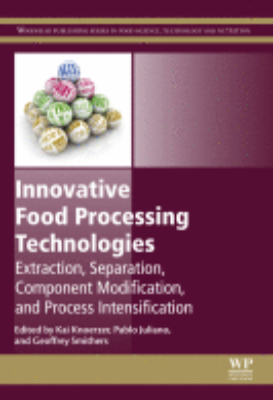
Innovative Food Processing Technologies
"Innovative Food Processing Technologies: Extraction, Separation, Component Modification and Process Intensification focuses on advances in new and novel non-thermal processing technologies which allow food producers to modify and process food with minimal damage to the foodstuffs. The book is highly focused on the application of new and novel technologies, beginning with an introductory chapter, and then detailing technologies which can be used to extract food components. Further sections on the use of technologies to modify the structure of food and the separation of food components are also included, with a final section focusing on process intensification and enhancement. Key Features. Provides information on a variety of food processing technologies. Focuses on advances in new and novel non-thermal processing technologies which allow food producers to modify and process food with minimal damage to the foodstuffs. Presents a strong focus on the application of technologies in a variety of situations. Created by editors who have a background in both the industry and academia"

Inorganic Nutrition of Plants
Plant Physiology, Volume III: Inorganic Nutrition of Plants deals with the inorganic nutrition and metabolism of plants. The book explores the role of elements, other than carbon, hydrogen, and oxygen, which are essential to, or used by, plants in their vital processes. It summarizes the knowledge about mineral nutrition of plants and presents a philosophy of plant nutrition in general. This volume is organized into six chapters and begins with a brief history of mineral nutrition of plants, as well as the media from which plants draw their nutrients, such as the soil and artificial culture medium. The book then discusses the requirements for specific elements, the symptoms incurred by their deficient supply, and the evidence that a given element can be considered essential. The next chapters focus on the inorganic nutrition of microorganisms, general functions of the essential nutrient elements, and the biological situations in which elementary nitrogen is converted to the organic form. The book concludes by analyzing the soil as a complex biological system and its implication for the interpretation of the nutrition of higher plants. This book is a valuable resource for those interested in plant nutrition and plant physiology.