
E-Resources

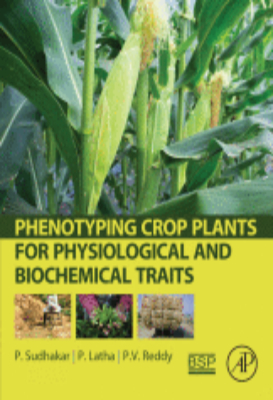
Phenotyping Crop Plants for Physiological and Biochemical Traits
"Phenotyping Crop Plants for Physiological and Biochemical Traits presents a proven range of methodologies and practices for effective, efficient, and appropriate typing of crop plants. By addressing the basic principles and precautions needed when conducting crop-based experiments, this book guides the reader in selecting the appropriate method based on the growing environment, whether greenhouse, pot, field, or liquid (hydroponic). By addressing the quantification of seed traits related to growth experiments, including their viability and vigor, this book presents methodology options for optimum yield based on potential abiotic stresses.. Key Features. Discusses various methods that can contribute to phenotyping of crop plants for various physiological and biochemical traits. Presents reliable techniques for phenotyping or quantifying plant characters during varied climatic conditions. Provides insights for selecting appropriate methodologies for specific crop growing situations. Identifies the most appropriate protocols and methods for analyzing crop traits"

Pheromone Biochemistry
Pheromone Biochemistry covers chapters on Lepidoptera, ticks, flies, beetles, and even vertebrate olfactory biochemistry. The book discusses pheromone production and its regulation in female insects; as well as reception, perception, and degradation of pheromones by male insects. The text then describes the pheromone biosynthesis and its regulation and the reception and catabolism of pheromones. Researchers in the areas of chemistry, biochemistry, entomology, neurobiology, molecular biology, enzymology, morphology, behavior, and ecology will find the book useful.
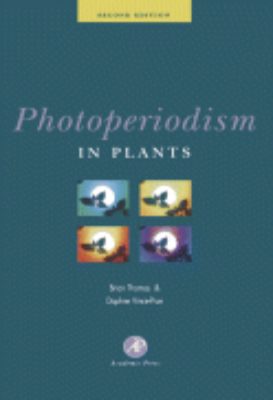
Photoperiodism in Plants
"Photoperiodism is the response to the length of the day that enables living organisms to adapt to seasonal changes in their environment as well as latitudinal variation. As such, it is one of the most significant andcomplex aspects of the interaction between plants and their environment and is a major factor controlling their growth and development. As the new and powerful technologies of molecular genetics are brought to bear on photoperiodism, it becomes particularly important to place new work in the context of the considerable amount of physiological information which already exists on the subject. This innovative book will be of interest to a wide range of plant scientists, from those interested in fundamental plant physiology and molecular biology to agronomists and crop physiologists. Key Features. Provides a self-sufficient account of all the important subjects and key literature references for photoperiodism. Includes research of the last twenty years since the publication of the First Edition. Includes details of molecular genetic techniques brought to bear on photoperiodism"
Photosynthesis Photorespiration and Plant Productivity
Photosynthesis, Photorespiration, and Plant Productivity provides a basis for understanding the main factors concerned with regulating plant productivity in plant communities. The book describes photosynthesis and other processes that affect the productivity of plants from the standpoint of enzyme chemistry, chloroplasts, leaf cells, and single leaves. Comprised of nine chapters, the book covers the biochemical and photochemical aspects of photosynthesis; respiration associated with photosynthetic tissues; and photosynthesis and plant productivity in single leaves and in stands. It provides illustrated and diagrammatic discussion and presents the concepts in outlined form to help readers understand the concepts efficiently. Moreover, this book explores the rates of enzymatic reactions and the detailed structure and function of chloroplasts and other organelles and their variability. It explains the mechanism of photosynthetic electron transport and phosphorylation and the importance of diffusive resistances to carbon dioxide assimilation, especially the role of stomata. It also discusses the importance of dark respiration in diminishing productivity; the differences in net photosynthesis that occur between many species and varieties; and the influence of climate to photosynthetic reactions. The book is an excellent reference for teachers, as well as undergraduate and graduate students in biology, plant physiology, and agriculture. Research professionals working on the disciplines of plant production and food supply will also find this book invaluable.

Physicochemical and Environmental Plant Physiology: 1991
This text is the successor volume to Biophysical Plant Physiology and Ecology (W.H. Freeman, 1983). The content has been extensively updated based on the growing quantity and quality of plant research, including cell growth and water relations, membrane channels, mechanisms of active transport, and the bioenergetics of chloroplasts and mitochondria. One-third of the figures are new or modified, over 190 new references are incorporated, the appendixes on constants and conversion factors have doubled the number of entries, and the solutions to problems are given for the first time. Many other changes have emanated from the best laboratory for any book, the classroom. Key Features Covers water relations and ion transport for plant cells; diffusion, chemical potential gradients, solute movement in and out of plant cells Covers interconnection of various energy forms; light, chlorophyll and accessory photosynthesis pigments, ATP and NADPH Covers forms in which energy and matter enter and leave a plant; energy budget analysis, water vapor and carbon dioxide, water movement from soil to plant to atmosphere
Physicochemical and Environmental Plant Physiology: Fourth Edition 2009
"Physicochemical and Environmental Plant Physiology, Fourth Edition, is the updated version of an established and successful reference for plant scientists. The author has taken into consideration extensive reviews performed by colleagues and students who have touted this book as the ultimate reference for research and learning. The original structure and philosophy of the book continue in this new edition, providing a genuine synthesis of modern physicochemical and physiological thinking, while entirely updating the detailed content. This version contains more than 40% new coverage; five brand new equations and four new tables, with updates to 24 equations and six tables; and 30 new figures have been added with more than three-quarters of figures and legends improved. Key concepts in plant physiology are developed with the use of chemistry, physics, and mathematics fundamentals. The book is organized so that a student has easy access to locate any biophysical phenomenon in which he or she is interested. Key Features. More than 40% new coverage. Incorporates student-recommended changes from the previous edition Five brand new equations and four new tables, with updates to 24 equations and six tables30 new figures added with more than three-quarters of figures and legends improvedOrganized so that a student has easy access to locate any biophysical phenomenon in which he or she is interestedPer-chapter key equation tablesProblems with solutions presented in the back of the bookAppendices with conversion factors, constants/coefficients, abbreviations and symbols"
Physicochemical and Environmental Plant Physiology: Third Edition 2005
"The new edition of Physicochemical and Environmental Plant Physiology uses elementary chemistry, physics, and mathematics to explain and develop key concepts in plant physiology. In fundamental ways, all physiological processes that occur in cells, tissues, organs, and organisms obey such relations. Topics include diffusion, membranes, water relations, ion transport, photochemistry, bioenergetics of energy conversion, photosynthesis, environmental influences on plant temperature, and gas exchange for leaves and whole plants. This new edition maintains the unparalleled commitment to clear presentation and improves upon the user friendliness of the previous versions. Key Features. All illustrations have been redrawn, many in two-color. New material includes: 14 new figures, 100 new references, 20 new equations and considerable new and revised text. Extensive cross-referencing with a simpler system for chapter sections and subsections. Easy-to-use format including major equations being presented at the beginning of each chapter, and calculations presented outside of the chapter text"
Physicochemical and Plant Physiology
Physicochemical and Environmental Plant Physiology provides an understanding of various areas of plant physiology in particular and physiology in general. Elementary chemistry, physics, and mathematics are used to explain and develop concepts. The first three chapters of the book describe water relations and ion transport for plant cells. The next three chapters cover the properties of light and its absorption; the features of chlorophyll and the accessory pigments for photosynthesis that allow plants to convert radiant energy from the sun into chemical energy; and how much energy is actually carried by the compounds ATP and NADPH. The last three chapters consider the various forms in which energy and matter enter and leave a plant as it interacts with its environment. These include the physical quantities involved in energy budget analysis; the resistances affecting the movement of both water vapor and carbon dioxide in leaves; and the movement of water from the soil through the plant to the atmosphere.



Physiological Genetics
Physiological Genetics is a compilation of developments, contributed by experts in the field of physiological genetics. The articles contained in the book covers various accounts of developments in the field. The book starts with an introductory chapter describing genetic factors in developmental gene regulation, followed by discussions on enzyme differentiation, hormonal control of gene expression, biochemical genetics of morphogenesis, cytoplasmic male sterility in maize, plant somatic cell genetics, and the population dynamics of genetic polymorphism. Physiologists, biologists, geneticists, and students will find a valuable reference material.
Physiological Processes Limiting Plant Productivity
Physiological Processes Limiting Plant Productivity presents the proceedings of the Thirtieth University of Nottingham Easter School in Agricultural Science held at Sutton Bonington in England on April 2-5, 1979. Contributors focus on physiological processes limiting plant growth and development in the context of agricultural productivity. Emphasis is placed on the fundamental mechanisms that underlie crop production and their control. This text is comprised of 20 chapters; the first of which discusses the genetics of crop physiology in relation to agricultural production. The range of problems that plant physiologists must address is considered, followed by an assessment of what is happening in crop physiology. A number of chapters are devoted to the utilization of light by crop plants, plant nutrition, water relations, and the effects of an adaptation to unfavorable conditions including those imposed by air pollution. The reader is also introduced to the influence of photoperiodism on crop production; gas exchange in water-stressed plants; and the use of water, solar energy, and fossil fuels in crop production. This book will be of interest to agriculturists, plant breeders, and researchers working in relevant aspects of plant biochemistry, physiology, and genetics.

Physiology and Biochemistry
The Structure and Function of Muscle, Second Edition, Volume III: Physiology and Biochemistry presents the physiology and biochemistry of muscle. This book discusses the various aspects of the structure of muscles and explores some aspects of muscle disease. Organized into 10 chapters, this edition begins with an overview of the transverse tubular system or T system of striated muscle. This text then examines the properties and function of membranes through electron microscopy. Other chapters consider in more detail from a biophysical viewpoint certain aspects of the series of events surrounding muscle contraction. This book discusses as well the significance of the central circulation and the amount of oxygen that can be delivered by the cardiovascular system. The final chapter deals with the heat output and chemical breakdown during an isometric twitch. This book is a valuable resource for scientists, neurobiologists, biologists, biochemists, physiologists, histologists, cytologists, and research workers.
Physiology of Plants and Their Cells
Physiology of Plants and Their Cells is a 20-chapter book introducing the field of plant physiology. Plant physiology is generally a study of the living activity of the plant. This book begins by elucidating the value of plants to man, and describing the plant cells including its classification, structure, and nutrition. Subsequent chapters explain the role of water, minerals, and photosynthesis in plant physiology. Other topics on plants underlined in this book include energy storage, utilization, and loss; amino acid synthesis; metabolism; proteins; enzymes; phytochemistry; membranes; intercellular communication; growth; longevity; senescence; and death. Lastly, the relevance of plant physiology to contemporary problems facing mankind is explained. This book will be useful as a general reference for teachers and scientists interested in certain aspects of the field, as well as for students of biology and agriculture.

Physiology of Woody Plants: 1979
Physiology of Woody Plants explains how physiological processes are involved in growth of woody plants and how they are affected by the environment, including the mechanisms of the processes themselves. Organized into 17 chapters, this book discusses the role of plant physiology, as well as the form and structure of woody plant. It also explores the nature and periodicity of shoot, cambial, root, and reproductive growth of trees of the temperate and tropical zones. Other topics elucidated are the process of photosynthesis and respiration, the various substances found in woody plants, plant nutrition, and factors affecting plant growth. This book will be valuable as a text to students and teachers and as a reference to investigators and others who desire a better understanding of how woody plants grow.
Physiology of Woody Plants: 2008
"Woody plants such as trees have a significant economic and climatic influence on global economies and ecologies. This completely revised classic book is an up-to-date synthesis of the intensive research devoted to woody plants published in the second edition, with additional important aspects from the authors' previous book, Growth Control in Woody Plants. Intended primarily as a reference for researchers, the interdisciplinary nature of the book makes it useful to a broad range of scientists and researchers from agroforesters, agronomists, and arborists to plant pathologists and soil scientists. This third edition provides crutial updates to many chapters, including: responses of plants to elevated CO2; the process and regulation of cambial growth; photoinhibition and photoprotection of photosynthesis; nitrogen metabolism and internal recycling, and more. Revised chapters focus on emerging discoveries of the patterns and processes of woody plant physiology. Key Features. The only book to provide recommendations for the use of specific management practices and experimental procedures and equipment. *Updated coverage of nearly all topics of interest to woody plant physiologists. Extensive revisions of chapters relating to key processes in growth, photosynthesis, and water relations. More than 500 new references. Examples of molecular-level evidence incorporated in discussion of the role of expansion proteins in plant growth; mechanism of ATP production by coupling factor in photosynthesis; the role of cellulose synthase in cell wall construction; structure-function relationships for aquaporin proteins"

Physiology of Woody Plants: Second Edition 1997
This completely revised classic volume is an up-to-date synthesis of the intensive research devoted to woody plants. Intended primarily as a text for students and a reference for researchers, this interdisciplinary book should be useful to a broad range of scientists from agroforesters, agronomists, and arborists to plant pathologists, ecophysiologists, and soil scientists. Anyone interested in plant physiology will find this text invaluable.

Phytochemicals in Plant Cell Cultures
Cell Culture and Somatic Cell Genetics of Plants, Volume 5: Phytochemicals in Plant Cell Cultures provides comprehensive coverage of the wide variety of laboratory procedures used in plant cell culture, fundamental aspects of cell growth and nutrition, and plant regeneration and variability. This book consists of five main topicsphenylpropanoids, naphthoquinones, and anthraquinones; mevalonates; alkaloids; glucosinolates, polyacetylenes, and lipids; and biologically active compounds. This publication specifically discusses the coumarins in crown gall tumors, natural occurrence of bufadienolides, and accumulation of protoberberine alkaloids. The flavor production in tissue cultures of allium species and callus cultures derived from carrot root explants is also reviewed. This volume is valuable to experienced researchers and those newly entering the field of plant cell and tissue culture.

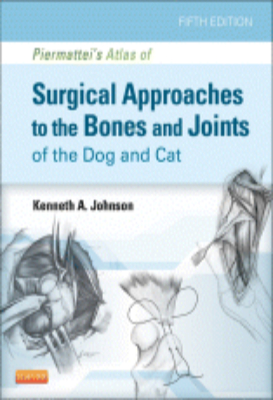
Piermattei’s Atlas of Surgical Approaches to the Bones and Joints of the Dog and Cat
This expertly illustrated atlas has been the go-to reference in veterinary orthopedic surgery for nearly 50 years and remains the premier resource for small animal surgical procedures. As in prior editions, Piermattei's Atlas of Surgical Approaches to the Bones and Joints of the Dog and Cat, 5th Edition is teeming with highly detailed drawings that illustrate a wide range of surgical approaches. This edition also features six all new surgical approaches and three approaches which have been expanded to illustrate the modifications required when performing orthopedic surgery on the cat. In addition to updated images throughout, fifty-five brand new illustrations accompany the new surgical approaches. As many will attest, Piermatteis Atlas is an invaluable reference that no small animal surgeon should be without. "In summary, if you still dont have a previous edition of Piermatteis atlas of surgical approaches to the bones and joints of the dog and cat on your bookshelves, this is a must have. If you already have a previous edition, the difference between the 4th and 5th are not big, but there are a few additions that will still make it a worthwhile buy." Reviewed by: Benito De La Puerta, Ldo, Cert SAS Dip ECVS, UK Date: July 2014