
E-Resources
Animal Models for the study of human disease
"Animal Models for the Study of Human Disease identifies important animal models and assesses the advantages and disadvantages of each model for the study of human disease. The first section addresses how to locate resources, animal alternatives, animal ethics and related issues, much needed information for researchers across the biological sciences and biomedicine.The next sections of the work offers models for disease-oriented topics, including cardiac and pulmonary diseases, aging, infectious diseases, obesity, diabetes, neurological diseases, joint diseases, visual disorders, cancer, hypertension, genetic diseases, and diseases of abuse. Key Features. Organized by disease orientation for ease of searchability. Provides information on locating resources, animal alternatives and animal ethics. Covers a broad range of animal models used in research for human disease"
Animal Models in Eye Research
"The eye is a complex sensory organ, which enables visual perception of the world. Thus the eye has several tissues that do different tasks. One of the most basic aspects of eye function is the sensitivity of cells to light and its transduction though the optic nerve to the brain. Different organisms use different ways to achieve these tasks. In this sense, eye function becomes a very important evolutionary aspect as well. This book presents the different animal models that are commonly used for eye research and their uniqueness in evaluating different aspects of eye development, evolution, physiology and disease. Key Features. Presents information on the major animal models used in eye research including invertebrates and vertebrates. Provides researchers with information needed to choose between model organisms. Includes an introductory chapter on the different types of eyes, stressing possible common molecular machinery"
Animal Models of Movement Disorders
The use of animal models is a key aspect of scientific research in numerous fields of medicine. This book vigorously examines the important contributions and application of animal models to the understanding of human movement disorders and will serve as an essential resource for basic neuroscientists engaged in movement disorders research. Academic clinicians, translational researchers and basic scientists are brought together to connect experimental findings made in different animal models to the clinical features, pathophysiology and treatment of human movement disorders. A vital feature of this book is an accompanying DVD with video clips of human movement disorders and their corresponding animal models. The book is divided into sections on Parkinson disease, Huntington disease, dystonia, tremor, paroxysmal movement disorders, ataxia, myoclonus, restless legs syndrome, drug-induced movement disorders, multiple system atrophy, progressive supranuclear palsy/corticobasal degeneration and spasticity. This book serves as an essential resource for both clinicians interested in the science being generated with animal models and basic scientists studying the pathogenesis of particular movement disorders. Key Features * Provides a single comprehensive resource on animal models of movement disorders that academic clinicians, translational researchers, and basic neuroscientists can refer to * Includes contributions by expert movement disorder clinicians and top-level researchers in the field * Features a DVD containing over 170 video clips of human movement disorders and the corresponding animal models

Animal Population Ecology
Animal Population Ecology focuses on the interaction between the various factors that affect an animal population. Population ecology is the study of the factors that determine the abundance of species and is concerned with the identification and mode of action of those environmental factors that cause fluctuations in population size and of those which determine the extent of these fluctuations. Organized into 11 chapters, the book initially examines some of the basic ideas about animal populations and defines many of the terms used by population ecologists. Then, it describes the action of the most important factors affecting population size. The interaction between these factors is demonstrated in chapters 8 and 9, wherein the results from studies of a few selected species are presented in detail. Finally, chapters 10 and 11 cover the development of generalized theories of population dynamics and their application to practical problems. With a strong focus on intensive study of animal populations in the field, rather than elaborate theories, the book will be helpful to population ecologists, animal researchers, teachers, and students.

Animal Products in Human Nutrition
Animal Products in Human Nutrition evaluates the contributions of food derived from animals to a balanced diet. The individual chapters in this book are organized into two major sections. The first section begins with a history of the use of animal-derived foods from the early ages of mankind, followed by a treatise of economic and resource costs of animal foods, including use of industrial and agricultural by-products and fish. Trends in the changes in the composition of American diets and the metabolism and disposition of common environmental toxins within animal tissues are also included in this section. The second section details the essential nutrients provided by animal products, as well as the possible effects of consumption of animal products on the development of hypertension, milk intolerance, infections from food-borne bacteria, cancer, and atherosclerosis. This book will be useful to agricultural scientists, journalists, professionals that deal with human nutrition, and human nutritionists and dietitians.

Animal Science
Animal Science: Reproduction, Climate, Meat, Wool is a 20-chapter book that begins with the concept of animal reproduction, including reproductive hormones, breeding, fertility, and fecundity. The next set of chapters elucidates the influence of climate on the animals. Subsequent chapters explore specific topics on meat and wool, in particular, the beef carcass; meat quality; mutton; lamb; composition and properties of wool; definition and measurement of wool quality; and quantitative aspect of wool growth. This book will be valuable for advanced students, as well as for advanced producers.

Animal Simples
Animal Simples: Approved for Modern Uses of Cure presents a variety of animal simples, which is regarded from a dietetic as well as from a medicinal point of view. This book dispels various prejudices against certain edible clean-feeding insects, eminently delicate, and remedial, which have failed to gain favor as food or medicine. The animal simples described in this book are arranged alphabetically to guide the readers. This text provides useful information regarding the remedies yielded by animals. This book is a valuable resource for readers who are interested on the usefulness of animal simples.

Animal Toxins
Animal Toxins is a collection of papers that tackles the advancement in studies that aim to enhance the contemporary understanding of animal toxins. The materials in the text are organized according to the organism they cover. The first section tackles the concerns with venomous arthropods, such as the structure of the venom gland of the black widow spider Latrodectus mactans and the biochemical-immunochemical aspects of the venom from the scorpion Centruroides sculpturatus. Next, articles about poisonous marine animals are presented, which include differentiation of the poisons of fish, shellfish, and plankton and block of sensory nerve conduction in the cat by mussel poison and tetrodotoxin. In Section III, the selection reviews papers about snakes and amphibians, such as epidemiological methods in studying venomous snakebites and chemistry of cytotoxic substances in amphibian toxins. The book will be of great interest to toxicologists, zoologists, and biochemists.

Animal Vigilance
"Animal Vigilance builds on the authors previous publication with Academic Press (Social Predation: How Group Living Benefits Predators and Prey) by developing several other themes including the development and mechanisms underlying vigilance, as well as developing more fully the evolution and function of vigilance. Animal vigilance has been at the forefront of research on animal behavior for many years, but no comprehensive review of this topic has existed. Students of animal behavior have focused on many aspects of animal vigilance, from models of its adaptive value to empirical research in the laboratory and in the field. The vast literature on vigilance is widely dispersed with often little contact between models and empirical work and between researchers focusing on different taxa such as birds and mammals. Animal Vigilance fills this gap in the available material. Key Features. Tackles vigilance from all angles, theoretical and empirical, while including the broadest range of species to underscore unifying themes. Discusses several newer developments in the area, such as vigilance copying and effect of food density. Highlights recent challenges to assumptions of traditional models of vigilance, such as the assumption that vigilance is independent among group members, which is reviewed during discussion of synchronization and coordination of vigilance in a group. Written by a top expert in animal vigilance"
Animal Virology
Animal Virology consists of papers presented in a meeting which considered broad issues and advances in animal virology and tumor viruses. This book is divided into nine parts, representing the nine sessions of the meeting. Five of the nine sections deal particularly with viruses known to be oncogenic in animals, and one of these covers explicitly human oncornaviruses. The other four sections describe the processes common to all viruses: replication, protein synthesis, and persistence, wherein emphasis is given to negative strand viruses and plant viruses.

Animal Virus Genetics
Animal Virus Genetics is a collection of scientific presentations of the ICN-UCLA Symposia on Molecular and Cellular Biology, held at the University of California, Los Angeles in 1980. The papers in the compendium focus on the basic genetic model systems; the uses of genetic approaches to study basic problems in molecular biology; and on the increasing application of genetic systems to the study of more complex viral-host interactions such as viral virulence and persistence. Microbiologists, cellular biologists, and virologists will find the book insightful.
Animals and Environmental Fitness: Physiological and Biochemical Aspects of Adaptation and Ecology: Volume 1 1980
Animals and Environmental Fitness, Volume 1: Invited Lectures is a collection of papers that tackles ecological concerns. The materials of the book are organized according the main issue of their contents. The text first tackles the chemical factors of the environment, such as water and oxygen availability, ecomones, and pollutants. The other half of the book encompasses the physical factors of the environment that include light, pressure, and temperature. The text will be of great use to scientists who study the interaction between flora, fauna, and the total environment.

Animals and Environmental Fitness: Physiological and Biochemical Aspects of Adaptation and Ecology: Volume 2 1980
Animals and Environmental Fitness: Physiological and Biochemical Aspects of Adaptation and Ecology, Volume 2 contains the proceedings of the First Conference of the European Society for Comparative Physiology and Biochemistry held in Lige, Belgium, on August 27-31, 1979. The papers explore the physiology and biochemistry of animal adaptation and ecology and cover topics ranging from amino acid transport and metabolism during osmotic shock to the role of organic compounds in osmoregulation in plants and animals. This volume is comprised of 89 chapters and begins with an analysis of the transport and metabolism of amino acids under osmotic stress, followed by a discussion on cell volume regulation in isolated heart ventricles from the flounder, Platichthys flesus, perfused with anisosmotic media. Subsequent chapters focus on the effects of cholinergic drugs on the osmotic fragility of erythrocytes; strategies of osmoregulation in the fiddler crab Uca pugilator; ionic regulation in the African catfish Clarias mossambicus in water and air; and environmental and endocrine factors controlling osmotic water fluxes in gills of Sarotherodon (tilapia) mossambicus. The effect of seawater adaptation on the phosphatidyl-choline metabolism in the eel is also considered, along with evaporative water loss in anuran amphibians. This book will be of value to zoologists, physiologists, biologists, and biochemists.
Background Lesions in Laboratory Animals
"Background Lesions in Laboratory Animals will be an invaluable aid to pathologists needing to recognize background and incidental lesions while examining slides taken from laboratory animals in acute and chronic toxicity studies, or while examining exotic species in a diagnostic laboratory. It gives clear descriptions and illustrations of the majority of background lesions likely to be encountered. Many of the lesions covered are unusual and can be mistaken for treatment-related findings in preclinical toxicity studies. The Atlas has been prepared with contributions from experienced toxicological pathologists who are specialists in each of the laboratory animal species covered and who have published extensively in these areas. Key Features. over 600 high-definition, top-quality color photographs of background lesions found in rats, mice, dogs, minipigs, non-human primates, hamsters, guinea pigs and rabbits. a separate chapter on lesions in the reproductive systems of all laboratory animals written by Dr Dianne Creasy, a world expert on testicular lesions in laboratory animals. a chapter on common artifacts that may be observed in histological glass slides. extensive references to each lesion described. aging lesions encountered in all laboratory animal species, particularly in rats in mice which are used for carcinogenicity studies"
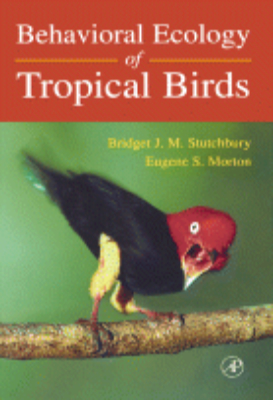
Behavioral Ecology of Tropical Birds
This book examines behavioral adaptations of tropical birds in timing of breeding, life history traits, mating systems and parental care, territoriality, communication, and biotic interactions, and emphasizes the many gaps in our knowledge of tropical birds. We urge students and researchers in temperate and tropical regions alike to realize the potential they have for improving our knowledge of avian adaptations far beyond what is currently accepted as gospel. Time is running out. Key Features * Line drawings with graphs* Unpublished data and observations from decades of authors' research in tropics
Behaviour Problems in Small Animals
"An easy-to-use, quick-reference text full of practical advice on how to handle behavioral problems in the practice situation. You'll find helpful practice tips such as tips on running puppy classes, guidelines for breeders, and guidelines for new owners. Discussions of canine behavioral problems include: aggression; fears, phobias and anxieties; elimination problems; training issues; and geriatric behavior issues. Feline behavioral problems include: aggression; fears, phobias and anxieties; elimination problems; grooming problems; bonding problems; and geriatric behavior issues. There's also a helpful appendix on drug dosages for behavior-related medications. Key Features. Coverage offers immediate advice to the veterinary team who are often presented with behavioral problems in their practice.. Easy-to-read format includes introductions, medical differentials, underlying causes, diagnosis, action boxes, and summaries.. Content refers the reader to other chapters throughout the book, so that information can be found quickly and easily.. Helpful handouts, which can be photocopied, offer yet another way to further your learning experience."
Bioavailability of Nutrients for Animals
This practical book provides crucial information necessary to formulate diets with appropriate amounts of amino acids, minerals, and vitamins. The factors that influence how well animals obtain these critical nutrients and methods for determining bioavailability are reviewed in this comprehensive text. In addition, data from both ruminants and nonruminants are included as well as established estimates of bioavailability for particular feed stuffs and feed supplements.

Biotechnological Innovations in Animal Productivity
Biotechnological Innovations in Animal Productivity examines the application of biotechnology to animal production. The book focuses on the use of contemporary biotechnology procedures on the different facets of animal production such as the reproductive capabilities of animals, their growth rates, and the ability of the farmer and veterinary services to prevent and cure infection. The text contains chapters that discuss topics on the manipulation of reproductive processes, endocrine regulation of the oestrous cycle, in vitro embryo production and manipulation, vaccines, and the production of transgenic (livestock) animals. Biotechnologists, biologists, and livestock producers will find the book very insightful.
Blood Platelets in Man and Animals
Blood Platelets in Man and Animals in Two Volumes, Volume 1 presents a general synopsis of all fields of interest in the study of platelets including a chapter dealing with Blood Platelets in Animals. The literature contains many surveys and discussions on the cytology, immunology, hematology and pathology of blood platelets. The monograph is a definitive review of the major aspects of blood platelets. The book begins with the introduction of the general aspects of the study of blood platelets. Subsequent chapters are devoted to the methods of separation and study of blood platelets; morphology and physical properties of blood platelets; physiological and experimental variations in the number of platelets; and platelet functions in coagulation, hemostasis and thrombogenesis. The last chapter presents studies of platelets in other classes of vertebrates and invertebrates. Cytologists, physiologists, biochemists, immunologists, physicians, veterinarians, biologists, and hematologists will find the book very useful.

Bone Tumours in Man and Animals
Bone Tumours in Man and Animals covers advances in the understanding of the pathogenesis of bone neoplasia in humans and animals as well as their diagnosis and treatment. In the case of animals, particular emphasis is placed on dogs. This book is comprised of 15 chapters and begins by introducing the reader to the principles of diagnosis, including biopsy and bone scanning, and methods of treatment employed for bone tumors in human and animal patients, including surgery, radiotherapy, and chemotherapy. The following chapters focus on bone cysts and benign tumors of osseous origin; osteosarcoma in humans and animals such as dogs, cats, and mice; and tumors of cartilaginous origin such as solitary enchondroma, enchondromatosis, chondroblastoma, and chondromyxoid fibroma. Tumors arising from fibrous, fatty, neurological, or undifferentiated connective tissue are also considered, along with those arising from bone marrow or lymphoid tissue. This book concludes by offering suggestions for future research. This text is intended for clinicians, radiologists, and pathologists, both medical and veterinary, as well as for biologists, biochemists, and radiation physicists.

Brinker Piermattei and Flo’s Handbook of Small Animal Orthopedics and Fracture Repair
"Stay ahead of the rising demand for orthopedic surgery in veterinary practice with the most trusted handbook for small animal orthopedics. Brinker, Piermattei, and Flos Handbook of Small Animal Orthopedics and Fracture Repair, 5th Edition is the expert reference you need to successfully understand, diagnose, and treat the wide variety of conditions affecting the locomotor system in small animals. As with previous editions, this comprehensive handbook offers readers a clear and consistent description of the most common orthopedic conditions along with the pathology, diagnostic work-up, surgical indications and planning, surgical approach, surgical techniques, complications, and follow-up recommendations that accompany them. This new edition also includes the latest information on fractures, musculoskeletal diseases, and the advances in methods of fixation, lameness correction, and joint surgery. Not only will readers gain access to routinely used orthopedic treatments such as plating, wiring, and pinning techniques this handbook also discusses the more complex modalities like minimally invasive surgery, and angle stable fixation systems with the newest information on interlocking nail and locking plate technologies. With this unrivaled reference, youll have the expert guidance you need to successfully diagnose and treat nearly any musculoskeletal case you may encounter in daily practice. Key Features. Clear, concise coverage covers the pathology, diagnostic work-up, surgical indications and planning, surgical approach, surgical techniques, complications, and follow-up recommendations for the most common orthopedic conditions.. Step-by-step line drawings clearly illustrate different types of fractures and demonstrate the surgical procedures used to affect repairs detail that cant be conveyed in clinical photographs.. Anatomical organization provides quick access to information on both fractures and other conditions for each region of the body.. NEW! Advances in joint surgeries, specifically the knee, shoulder, and elbow, keep practitioners abreast of the latest technology and best practices.. NEW! Coverage of minimally invasive surgery has been added to the many chapters.. NEW! Advances in imaging (MRI, CT, and radiographs) are included to keep practitioners up to date on the latest technology.. Updates on new fixation technologies include angle stable interlocking nails and locking plate fracture fixation systems.. Updates on common surgeries include triple pelvic osteotomy and total hip replacement. NEW! High-definition clinical photographs have been added to give readers a closer view of various fractures and repair techniques."

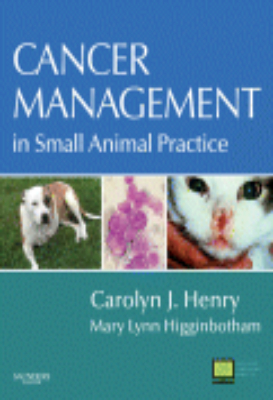
Cancer Management in Small Animal Practice
"Cancer Management in Small Animal Practice provides you with all the tools needed to diagnose, stage, and manage the many different disease entities known as ""cancer."" This manual is designed to provide you with easy-to-access, clinically relevant details for complete care of the small animal cancer patient, while considering the needs, concerns, and capabilities of the client. It provides quick reference sections for information not included in current oncology texts, including drug interactions and resources for participation in clinical trials. All information is well referenced and the reference section on the accompanying website includes links to the original and related articles. Key Features. The latest information including diagnostic procedures, treatment modalities, and outcome predictions to help clients make the best decisions for their pets.. Expert contributors, renowned for clinical, as well as academic and research expertise, offer a wide breadth and depth of expertise. . Full-color format provides accurate visual depictions of specific diseases and procedures to enhance your diagnostic capabilities. . Key Points highlight critical information, enabling quick, easy access. . Systems approach to diagnosis and management offers logical, systematic, head-to-tail procedure for accurate diagnosis, treatment, and prognosis. . Extensive discussions of supportive care limit adverse events and increase patient survival and puts emergency information at the practitioners fingertips. . Suggested readings highlight the latest information for further investigation and research. . Comprehensive drug safety guidelines thoroughly discuss all information required to safely handle and administer cancer drugs. . Helpful drug formularies offer available formulations, recommended dosages, toxicities, and relative costs. . Chapter on how to access clinical trials provides helpful information and hope for patients and their caregivers."
Cardiology Secrets
"Revised and updated, Cardiology Secrets, 3rd Edition has the answers. Comprehensive, yet easy to read, Dr. Levine presents all the latest advances in the diagnosis and treatment of heart conditions in this popular Secret Series volume. A two-color page layout, portable size, and a list of the Top 100 Secrets in cardiology help you better meet the challenges you face today. Youll find all the features you rely on from the Secrets Seriesa question-and-answer format, lists, mnemonics, tables and an informal tonethat make reference fast and easy. Plus, new imaging modalities and pharmacologic agents keep you on the cusp of the latest advances. Key Features. Expedites reference and review with a question-and-answer format, bulleted lists, mnemonics, and practical tips from the authors.. Covers the full range of essential topics, including general examination, diagnostic procedures, arrhythmias, symptoms and disease states, valvular heart disease, cardiovascular pharmacology, and other medical conditions with associated cardiac involvement.. Features a two-color page layout, ""Key Points"" boxes, and lists of useful web sites to enhance your reference power.. Presents a chapter containing ""Top 100 Secrets"", providing you with an overview of essential material for last-minute study or self-assessment.. Fits comfortably in the pocket of your lab coat so you have it conveniently on hand at all times.. Presents a new editor and a new contributor team who bring you fresh perspectives and the latest research in cardiology.. Discusses the latest imaging modalities and pharmacologic agents to keep you up to date.. Uses a new contemporary internal design that helps you navigate the text easier."

Chemistry of the Environment
"Emphasizing new science essential to the practice of environmental chemistry at the beginning of the new millennium, Chemistry of the Environment describes the atmosphere as a distinct sphere of the environment and the practice of industrial ecology as it applies to chemical science. It includes extensive coverage of nuclear chemistry, covering both natural environmental sources and anthropogenic sources, their impacts on health, and their role in energy production, that goes well beyond the newspaper coverage to discuss nuclear chemistry and disposal in a balanced and scientifically rational way. Key Features. This is the only environmental chemistry text to adequately discuss nuclear chemistry and disposal in a balanced and scientifically rational way.. The overall format allows for particular topics to be omitted at the discretion of the instructor without loss of continuity.. Contains a discussion of climate history to put current climate concerns in perspective, an approach that makes current controversy about climate change more understandable."
Clinical Biochemistry of Domestic Animals: Fifth Edition 1997
This updated and expanded Fifth Edition of Clinical Biochemistry of Domestic Animals brings together in a single comprehensive volume all the pertinent information regarding the biochemistry of disease and non-disease states in animals. Clinical veterinarians and animal scientists now routinely use many of the same diagnostic and therapeutic tools used to identify and treat diseases and metabolic disorders in humans, making this book an indispensable teaching, learning, and application resource for anyone engaged in the care, health, and welfare of animals. This book concentrates on the various rationales and interpretations regarding the biochemistry of disease in animals. It includes newly updated chapters with current references and new chapters on clinical toxicology and avian clinical biochemistry. Key Features @introbul:Key Features@bul:* Brings together in a single comprehensive volume all the pertinent information regarding the biochemistry of disease and non-disease states in animals* Includes newly updated chapters with current references* Contains new chapters on clinical toxicology and avian clinical biochemistry* Concentrates on the various rationales and interpretations regarding the biochemistry of disease in animals
Clinical Biochemistry of Domestic Animals: Second Edition 1970
Clinical Biochemistry of Domestic Animals, Second Edition, Volume I, is a major revision of the first edition prompted by the marked expansion of knowledge in the clinical biochemistry of animals. In keeping with this expansion of knowledge, this edition is comprised of two volumes. Chapters on the pancreas, thyroid, and pituitary-adrenal systems have been separated and entirely rewritten. Completely new chapters on muscle metabolism, iron metabolism, blood clotting, and gastrointestinal function have been added. All the chapters of the first edition have been revised with pertinent new information, and many have been completely rewritten. This volume contains 10 chapters and opens with a discussion of carbohydrate metabolism and associated disorders. Separate chapters follow on lipid metabolism, plasma proteins, and porphyrins. Subsequent chapters deal with liver, pancreatic, and thyroid functions; the role of the pituitary and adrenal glands in health and disease; the function of calcium, inorganic phosphorus, and magnesium metabolism in health and disease; and iron metabolism.
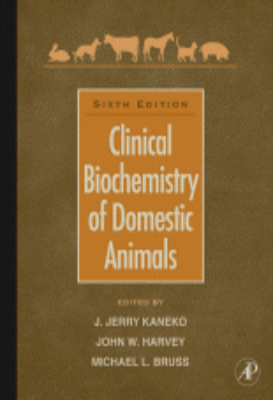
Clinical Biochemistry of Domestic Animals: Sixth Edition 2008
The 6th edition of a well-known and much used standard text in the field. This book covers all aspects of the biochemical abnormalities caused by various diseases and how they relate to the biochemical changes in the blood, urine, cerebrospinal fluid, joint fluids, other body fluids and in cells. The purpose is to provide the fundamental bases for understanding the biochemical changes that occur in disease processes and in turn to provide the rationale for applying this understanding to the diagnosis of the disease process. A substantial appendix is provided so that the user can quickly identify the reference ranges for a large number of animal species. Key Features * An appendix is provided in the book so that the user can quickly identify the reference ranges for a large number of animal species * Explains what biochemical changes occur in disease processes and provides the rationale for applying this understanding to the diagnosis of the disease process