
E-Resources

Clinical Biochemistry of Domestic Animals: Third Edition 1980
Clinical Biochemistry of Domestic Animals, Third Edition, represents a major revision of the previous editions. Since the publication of the first edition of ""Clinical Biochemistry of Domestic Animals,"" veterinary clinical biochemistry has enjoyed a virtual explosion of new knowledge commensurate with the increased importance of companion animals, the livestock industry, and experimental animals. This third edition brings together some of the most important areas of clinical biochemistry pertinent to these sectors. For this purpose, new chapters on the reproductive hormones and clinical enzymology have been added, in addition to a rewriting of the chapters on renal function and plasma proteins and extensive revisions of all other chapters. The volume contains 18 chapters and opens with discussions of carbohydrate and lipid metabolism and associated disorders. This is followed by separate chapters on serum proteins and the dysproteinemias; porpyhrins; clinical enzymology; liver, pancreatic, and kidney function; and the physiology and pathophysiology of body fluids. Subsequent chapters deal with pituitary, adrenal, and thyroid function; skeletal muscle function; calcium, phosphorus, magnesium, and iron metabolism; the mechanisms of homeostasis; and cerebrospinal fluid physiology.

Clinical Genomics
"Clinical Genomics provides an overview of the various next-generation sequencing (NGS) technologies that are currently used in clinical diagnostic laboratories. It presents key bioinformatic challenges and the solutions that must be addressed by clinical genomicists and genomic pathologists, such as specific pipelines for identification of the full range of variants that are clinically important. This book is also focused on the challenges of diagnostic interpretation of NGS results in a clinical setting. Its final sections are devoted to the emerging regulatory issues that will govern clinical use of NGS, and reimbursement paradigms that will affect the way in which laboratory professionals get paid for the testing. Key Features. Simplifies complexities of NGS technologies for rapid education of clinical genomicists and genomic pathologists towards genomic medicine paradigm. Tried and tested practice-based analysis for precision diagnosis and treatment plans. Specific pipelines and meta-analysis for full range of clinically important variants"

Comparative Nutrition of Man and Domestic Animals
Comparative Nutrition of Man and Domestic Animals, Volume I discusses practical phases in the evaluation of the nutrient requirements of man and his domesticated animals and the factors that modify these quanta. This book also covers various nutrients' biochemical nature, functions, and participation in the energy transactions of the body. Organized into 11 chapters, the book initially discusses the principles of the basal metabolism and the activity increment and their role in evaluating maintenance requirement of human and animal for energy. The subsequent chapter focuses on the maintenance requirement of protein under stress and non-stress conditions. Other chapters discuss nutrient requirements for maintenance, such as water and minerals. The book also examines the nutrient requirements for muscle activities, growth, senescence, reproduction, and lactation. A discussion on the storage of nutritive material, such as water, protein, minerals, vitamins, and energy, is included. This volume is an invaluable source for organic chemists, biochemists, animal physiologists, zoologists, and nutritionists.

Control and Manipulation of Animal Growth
Control and Manipulation of Animal Growth explores the development and growth of animals. The reproductive system of animals is also discussed, along with how its development can be accelerated. The topic is presented using various studies by the authors together with a number of references to other books and studies. This book contains 20 chapters and revolves around the advancement of an animal's growth hormone. It explains how gender plays a part in an animal's development and talks about factors that can affect the process, such as environment, temperature, and food intake. This book also discusses bone growth, fetal growth, metabolism, factors of epidermal growth, growth manipulation, growth hormones, hormonal manipulation, and the effect of insulin. This text covers a wide range of facts and investigations and can therefore serve as an excellent reference for people who want to study an animal's internal and external development.
Control of Animal Cell Proliferation: Volume I 1985
Control of Animal Cell Proliferation, Volume I presents how animals regulate their proliferation activity and how cells become proliferatively autonomous resulting in malignant behavior. This book provides an understanding of mechanisms that control animal cell proliferation. Organized into five parts encompassing 17 chapters, this volume begins with an overview of the efforts to elucidate he genetic alterations that lead normal cells to become cancer cells, which have been aided considerably by the investigation of acute retroviruses. This text then examines the factors involved in growth control. Other chapters describe in detail the biology and biochemistry of epidermal growth factor (EGF), which have been elucidated through the study of cultured human fibroblasts. This book discusses as well the protein kinases with specificity for tyrosine. The final chapter deals with regulation of initiation of eukaryotic protein synthesis by phosphorylation. This book is a valuable resource for scientists as well as cellular and molecular biologists.

Control of Animal Cell Proliferation: Volume II 1987
Control of Animal Cell Proliferation, Volume II discusses how animal cells become proliferatively autonomous, which results in malignant behavior. This book begins with trends and issues on membrane structure and teratocarcinoma research. The structure and function of several growth factors and their receptors such as thrombin, transferrin, glucocorticoid, and B and T cell factors are also discussed. This text likewise covers the mechanism of information transduction that includes intracellular pH and calcium. The aspects of genome organization and gene transcription are deliberated in the last chapters. This publication provides biologists and students with a coherent picture of cell proliferation.
Controlled Breeding in Farm Animals
This textbook provides a detailed view of the different ways in which reproduction in cattle, sheep, pigs and horses can be controlled and manipulated. It is primarily of interest to students of animal science and veterinary medicine, but will also be of use to those who are concerned with the practical aspects of reproduction control, whether in an advisory capacity or in applying techniques on the farm itself. A major objective of the book is to draw attention to information which may be used directly to increase the efficiency of the livestock industry.

Current Therapy in Large Animal Theriogenology
An essential resource for both students and practitioners, this comprehensive text provides practical, up-to-date information about normal reproduction and reproductive disorders in horses, cattle, small ruminants, swine, llamas, and other livestock. Featuring contributions from experts in the field, each section is devoted to a different large animal species and begins with a review of the clinically relevant aspects of the reproductive anatomy and physiology of both males and females. Key topics include the evaluation of breeding soundness, pregnancy diagnosis, diagnosis and treatment of infertility, abortion, obstetrics, surgery of the reproductive tract, care of neonates, and the latest reproductive technology.
Cyclic Phenomena in Marine Plants and Animals
Cyclic Phenomena in Marine Plants and Animals covers the proceedings of the 13th European Marine Biology Symposium. The title presents papers that tackle the cyclical biological processes in population ecology, developmental biology, metabolism, and the behavior of marine organisms. The text first covers topics about the population cycles of flora and fauna. Next, the selection details the rhythmic aspects of reproduction and growth, and then proceeds to discussing the cyclical aspects of production and metabolism. The text also deals with the rhythmic behavior and its control by environmental and physiological factors. The book will be of great use to students, researchers, and practitioners of marine biology and ecology.
Effects of Resource Distribution on Animal Plant Interactions
Aimed primarily at advanced graduate students and professional biologists, this book explores the degree to which animal*b1plant interactions are determined by plant and animal variability. Many of the patterns seen in natural communities appear to result from cascading effects up as well as down the trophic system. Variability among primary producers can influence animal and plant population quality and dynamics, community structure, and the evolution of animal*b1plant interations.

Electrocardiography of Laboratory Animals
"Electrocardiography of Laboratory Animals is the only book covering electrocardiography of laboratory animals, including dogs, mini-pigs, and cynomologus monkeys. As more countries institute requirements for the care of laboratory animals in research, this publication offers an effective standard on performing and analyzing ECGs. Topics covered include safety electrocardiography, toxicology, safety pharmacology, and telemetry. Electrocardiography of Laboratory Animals will assist biological and medical researchers, veterinarians, zoologists, and students in understanding electrocardiography of various species of animals used in research. Key Features. Covers safety electrocardiography of large laboratory animals. Offers comprehensive analysis of ECGs for practical laboratory use. Includes a self-evaluation section for testing of ECG reading and analysis"

Emergency Procedures for the Small Animal Veterinarian
The second edition of the hugely successful Emergency Procedures for the Small Animal Veterinarian gives vets all the information they need to form a diagnosis quickly and accurately, establish a prognosis and recommend treatment for a patient suffering an illness, injury or toxic event. Easy-to-read bullet-point text gives quick access to the most essential information needed to treat emergency cases quickly and efficiently. Extensive practical appendices provide easy reference to essential data including commonly used drugs and supplements, drugs in special circumstances (e.g. safe drugs in pregnancy, drugs to avoid in renal failure etc), clinical chemistry and laboratory data, conversion tables and much more. With step-by-step coverage of cardiopulmonary emergencies, trauma gastrointestinal emergencies, toxicological events, a greatly expanded chapter on exotic pets, and much more, Emergency Procedures for the Small Animal Veterinarian provides all the facts vets need to help them save more lives faster!

Environmental and Animal Rights Extremism, Terrorism, and National Security
"As concerns about human treatment of the environment and animals have increased over the years, so have decentralized and extremist groups related to these causes. Environmental and Animal Rights Extremism, Terrorism, and National Security analyzes the international development of radical movements relating to environmental concerns and animal rights in the context of the threats they pose to national security. In addition to tracing the factors responsible for the rapid growth of these movements over the last 25 years, this text presents countermeasures that governments can deploy to neutralize the risk posed by these threats now and in the future. Bringing to bear new developments such as cyber activity and online activism, Environmental and Animal Rights Extremism, Terrorism, and National Security offers an examination of the direct and indirect violence, lone-wolf terrorism, and leaderless resistance that have characterized these radical wings from their inception.By not only identifying the tactics and organizational structures often employed by these groups, but also addressing future trends toward increased radicalization, Environmental and Animal Rights Extremism, Terrorism, and National Security is an important resource for identifying, anticipating, and mitigating threats posed by such movements. Key Features. Describes the psychological, social, and organizational mechanisms responsible for the functioning of the extremist wings of the interconnected environmental and animal rights movements in the context of national security. Identifies the main tactical and organizational ways these movements develop, moving from hierarchical organization to network structures, leaderless resistance, and lone-wolf activities. Covers radical environmental and animal rights groups, including Earth First!, Animal Liberation Front, Earth Liberation Front, Animal Rights Militia, and the Sea Shepherd Conservation Society. Looks to future trends in radicalization of these movements"
Environmental Aspects of Housing for Animal Production
Environmental Aspects of Housing for Animal Production is concerned with environmental aspects of housing farm animals. The discussions are organized around physical and physiological principles; environmental influences on reproduction; environmental influences on the productivity of farm animals; optimal housing environments for temperate and cool climates; housing environments for hot climates; engineering and control of the house environment; and the constraints of welfare and disease. This text consists of 32 chapters divided into nine sections. The first chapter explores the physiological mechanisms whereby the food- or fiber-producing animals maintain a constant body temperature under climatic extremes and the possible impact that these physiological processes may have on productive systems. This discussion is followed by chapters on the influence of climate on the decision to house livestock; the effect of the environment on animal reproduction; thermal influences on poultry; and the importance of ventilation and temperature control. This text also considers the poultry housing problems in tropical and subtropical climates; insulation of animal houses; and the interaction between feathering and egg production in laying hens. This book will appeal to those working in the field of housing for animal production, both in research and development and at a practical level.
Enzyme Catalysis and Regulation
Enzyme Catalysis and Regulation is an introduction to enzyme catalysis and regulation and covers topics ranging from protein structure and dynamics to steady-state enzyme kinetics, multienzyme complexes, and membrane-bound enzymes. Case studies of selected enzyme mechanisms are also presented. This book consists of 11 chapters and begins with a brief overview of enzyme structure, followed by a discussion on methods of probing enzyme structure such as X-ray crystallography and optical spectroscopy. Kinetic methods are then described, with emphasis on the general principles of steady-state and transient kinetics. The chemical principles involved in enzyme catalysis are also discussed, and case studies of a few well-documented enzymes are presented. The regulation of enzyme activity is analyzed from a nongenetic viewpoint, with particular reference to binding isotherms and models for allosterism. Two particular enzymes, aspartate transcarbamoylase and phosphofructokinase, are used as examples of well-studied regulatory enzymes. The last two chapters focus on multienzyme complexes and membrane-bound enzymes. This monograph is intended for graduate students, advanced undergraduates, and research workers in molecular biology and biochemistry.
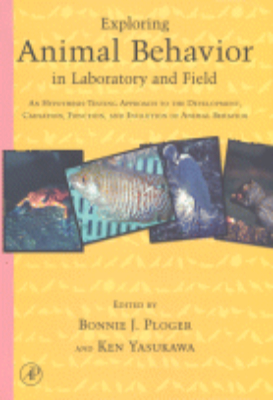
Exploring Animal Behavior in Laboratory and Field
Exploring Animal Behavior in Laboratory and Field is designed to provide a variety of exercises that engage students actively in all phases of scientific investigation, from formulating research questions through interpreting and presenting final results. It attempts to share the collective teaching expertise and experience of members of the Animal Behavior Society with all who are willing to benefit from their wisdom. Four types of exercises are presented: (1) traditional exercises in which students follow a pre-determined protocol to test particular hypotheses explicitly stated in the exercise, (2) traditional exercises that can easily be adapted to inquiry-based approaches, (3) combined pedagogy exercises that involve both traditional and inquiry approaches, and (4) inquiry exercises in which students first brainstorm to generate their own hypotheses, then design their own experiements to test their hypotheses. Key Features * Supports a range of pedagogical styles and texts in animal behavior with active learning experiences that engage students * Students and instructors benefit from knowledge and experience of members of the Animal Behavior Society * Flexibility of design enables students and instrucotrs to tailor the exercises to their needs * Can be used to support lab courses that are completely inquiry based as well as independent student research projects in animal behavior * Consideration of animal care guidelines provides an excellent way to address and discuss concerns about the use of animals in teaching and research * Emphasizes the hypothetico-deductive approach that students have difficulty understanding and implementing * Supporting materials make additional required texts unnecessary and link study design considerations with real studies

Farm Animal Surgery
"This is the only resource of its kind that provides practical field-tested surgical procedures for farm animals. Many procedures can safely be performed in the field as standing surgery using portable chutes that help keep the animals immobilized. Coverage includes key information on patient preparation, anesthesia concerns, fluid therapy, imaging options, and postoperative management. Key Features. This is the only book covering surgery of all these species of farm animals: cattle, goats, sheep, and swine. More than 500 figures clearly illustrate common disorders, techniques, and equipment for large animal surgery. Step-by-step surgical guidelines cover various procedures for each species by body system. Up-to-date, practical information on key surgical techniques and equipment. Uniquely qualified authors and contributors are experts in the field of large animal surgery"
Fate of Pesticides in Large Animals
Fate of Pesticides in Large Animals covers the proceedings of the 1976 Fate of Pesticides in Large Animals symposium. The symposium is held at the Centennial Meeting of American Chemical Society and sponsored by the Pesticide Chemistry Division of the ACS. It aims to focus on the fate of pesticides in large animals and to assemble a thesis on the subject covering its theoretical and practical significance. In this book, large animals are particularly considered, because they often metabolize chemicals differently than small laboratory rodents. These differences may prove a basis for the development of concepts pertinent to the phenomenon of selective toxicity. This book is divided into three sections encompassing 14 chapters. The first section delineates the rationale of the symposium and presents topics applicable to all facets of large animal metabolism. The second section focuses on comparative metabolism of selected groups of pesticides, including phenoxy herbicides, insect growth regulators, fungicides, and halogenated hydrocarbons. The third section deals with specific compounds and/or specific large animal species. It includes mirex, chlordane, dieldrin, and polychlorinated biphenyls; p,p'-DDT and p,p'-DDE in pig; phenyl N,N'-dimethylphosphorodiamidate; croneton; and Vacor rodenticide. This book is an invaluable resource for chemists, biochemists, researchers, and toxicologists.
Fats in Animal Nutrition
Fats in Animal Nutrition provides a useful text containing information from many diverse disciplines that discuss the nutritional utilization of lipids of domesticated animals. The book is divided into seven parts. Part I covers the chemistry and biochemistry of animal and plant fats and their nutritional importance; Part II discusses the general principles involved in the transport and absorption of fats and how this process is facilitated in ruminant and non-ruminant animals. The book also deals with the role of essential fats in the nutrition of different animals, as well as the protective functions of fat-soluble vitamins . Part IV discusses the use of fats as an energy source for animals; Part V deals with the inclusion of fats in animal feeds and their uses. The deposition of fat in different meats and the practical applications of fat utilization in animals are covered as well. The text is recommended for agriculturists, veterinarians, and zoologists who would like to know more about the importance of the inclusion of fats in animal diets.
Fluid, Electrolyte, and Acid-Base Disorders in Small Animal Practice: 2012
"The leading reference for the diagnosis and management of fluid, electrolyte, and acid-base imbalances in small animals, Fluid, Electrolyte, and Acid-Base Disorders in Small Animal Practice, 4th Edition provides cutting-edge, evidence-based guidelines to enhance your care of dogs and cats. Information is easy to find and easy to use, with comprehensive coverage including fluid and electrolyte physiology and pathophysiology and their clinical applications, as well as the newest advances in fluid therapy and a discussion of a new class of drugs called vaptans. Lead author Stephen DiBartola is a well-known speaker and the ""go-to"" expert in this field, and his team of contributors represents the most authoritative and respected clinicians and academicians in veterinary medicine. Key Features. Over 30 expert contributors represent the ""cream of the crop"" in small animal medicine, ensuring that this edition provides the most authoritative and evidence-based guidelines.. Scientific, evidence-based insights and advances integrate basic physiological principles into practice, covering patient evaluation, differential diagnosis, normal and abnormal clinical features and laboratory test results, approaches to therapy, technical aspects of therapy, patient monitoring, assessing risk, and prediction of outcomes for each disorder.. Hundreds of tables, algorithms, and schematic drawings demonstrate the best approaches to diagnosis and treatment, highlighting the most important points in an easy-access format.. Drug and dosage recommendations are included with treatment approaches in the Electrolyte Disorders section.. Clear formulas in the Fluid Therapy section make it easier to determine the state of dehydration, fluid choice, and administration rate and volume in both healthy and diseased patients.. Updated chapters cover the latest advances in fluid therapy in patient management, helping you understand and manage a wide range of potentially life-threatening metabolic disturbances.. Expanded Disorders of Sodium and Water chapter includes information on a new class of drugs called vaptans, vasopressin receptor antagonists that may soon improve the ability to manage patients with chronic hyponatremia.. Hundreds of new references cover the most up-to-date advances in fluid therapy, including renal failure and shock syndromes."
Fluid, Electrolyte, and Acid-Base Disorders in Small Animal Practice: Third Edition 2006
"This comprehensive resource brings together cutting edge information about fluid, electrolyte, and acid-base physiology and fluid therapy as they apply to small animal practice. It also offers complete coverage of relevant physiology and pathophysiology, as well as important information for interpreting and analyzing biochemical test results. Key Features. Provides the most up-to-date information for understanding and managing a wide range of metabolic disorders.. Offers extensive coverage of patient evaluation, possible causes, normal and abnormal clinical and laboratory features, approaches to therapy, technical aspects of therapy, patient monitoring, assessing risk, and prediction of outcomes for each disorder.. Contributions from 25 experts in the field ensure the most current, authoritative coverage.. Comprehensive references offer opportunities for further research.. Helpful tables, algorithms, and illustrations highlight important concepts.. A section on Special Therapy, including blood transfusions and blood substitutes, critical nutrition, and dialysis.. 3 new chapters:. Strong Ion Difference Approach to Acid-Base Balance. Monitoring Fluid Therapy and Complication of Fluid Therapy. Enteral Nutrition"
Food Animal Practice
Written by leading food animal researchers, practitioners, and educators, this comprehensive guide provides quick access to the latest medical and surgical interventions for cattle, sheep, and goats. The concise, quick-reference format and logical body systems organization make it ideal for use in both the clinical setting and the field. Youll easily locate key information on preventing, treating, and managing disease in food animals, as well as expert insights on improving outcomes for individual animals and herd populations.
Fowler’s Zoo and Wild Animal Medicine Current Therapy, Volume 7
With coverage of current issues and emerging trends,Fowler's Zoo and Wild Animal Medicine, Volume 7provides a comprehensive, all-new reference for the management of zoo and wildlife diseases. A Current Therapy format emphasizes the latest advances in the field, including nutrition, diagnosis, and treatment protocols. Cutting-edge coverage includes topics such as the "One Medicine" concept, laparoscopic surgery in elephants and rhinoceros, amphibian viral diseases, and advanced water quality evaluation for zoos. Editors R. Eric Miller and Murray E. Fowler promote a philosophy of animal conservation, bridging the gap between captive and free-ranging wild animal medicine with chapters contributed by more than 100 international experts.
Fowler’s Zoo and Wild Animal Medicine Volume 8
"Logically organized by taxonomic groups, this up-to-date text covers the diagnosis and treatment of all zoo animal species and free-ranging wildlife, including amphibians, reptiles, birds, mammals, and fish, unlikely to be seen by private practice veterinarians. Featuring full-color images, the consistent, user-friendly format supplies information on each animals biology, unique anatomy, special physiology, reproduction, restraint and handling, housing requirements, nutrition and feeding, surgery and anesthesia, diagnostics, therapeutics, and diseases. Global authorship includes multinational contributors who offer expert information on different species from around the world. ""This is a welcome update to an invaluable reference series; a must-have for any veterinary professional working largely in the zoo or wildlife field, and also recommended as a reference text for the library of any practice seeing unusual species on a regular basis, even if they already have an earlier volume.""Reviewed by: Charlotte Day on behalf of The Veterinary Record, Oct 14 Key Features. Global authorship includes internationally recognized authors who have contributed new chapters focusing on the latest research and clinical management of captive and free-ranging wild animals from around the world.. Zoological Information Management System chapter offers the latest update on this brand new system that contains a worldwide wealth of information.. General taxonomy-based format provides a comprehensive text for sharing information in zoo and wildlife medicine.. Concise tables provide quick reference to key points in the references.. NEW! All new authors have completely revised the content to provide fresh perspectives from leading experts in the field on the latest advances in zoo and wild animal medicine.. NEW! Color images vividly depict external clinical signs for more accurate recognition and diagnosis."

Genetics and the Behavior of Domestic Animals
"Behavior is shaped by both genetics and experience--nature and nurture. This book synthesizes research from behavioral genetics and animal and veterinary science, bridging the gap between these fields. The objective is to show that principles of behavioral genetics have practical applications to agricultural and companion animals. The continuing domestication of animals is a complex process whose myriad impacts on animal behavior are commonly under-appreciated. Genetic factors play a significant role in both species-specific behaviors and behavioral differences exhibited by individuals in the same species. Leading authorities explore the impact of increased intensities of selection on domestic animal behavior. Rodents, cattle, pigs, sheep, horses, herding and guard dogs, and poultry are all included in these discussions of genetics and behavior, making this book useful to veterinarians, livestock producers, laboratory animal researchers and technicians, animal trainers and breeders, and any researcher interested in animal behavior. Key Features. Includes four new chapters on dog and fox behavior, pig behavior, the effects of domestication and horse behavior. Synthesizes research from behavioral genetics, animal science, and veterinary literature. Broaches fields of behavior genetics and behavioral research. Includes practical applications of principles discovered by behavioral genetics researchers. Covers many species ranging from pigs, dogs, foxes, rodents, cattle, horses, and cats"
Growth in Animals
Studies in the Agricultural and Food Sciences: Growth in Animals discusses the more advanced concepts of growth, its changes and effects on different animals and systems, and its implications for agriculture. Based on a symposium of the same name, the book defines growth and its effects on the whole body; the biochemical and genetic determinants that affect it; and the effect of thermal environment on growth and its relation with immunity. Growth of bones, muscle nucleic acid and protein, and adipose tissue are also explained. The text also encompasses the relation of growth and gut microflora; the effects of growth-promoting agents in ruminant animals and single-stomach animals; and growth and breeding performance in animals. The growth in mammals and birds for meat production and its effects on the meat quality of animals are also covered in this book. This monograph is recommended for those who would want to start or are currently running animal and poultry farms, as well as for scientists who wish to study the phenomenon of growth for the betterment of agriculture.
Handbook of Animal Models of Infection
"Handbook of Animal Models of Infection is a complete revision of a three-volume text that was published in 1986. It incorporates the major advances in the field during the past decade, in particular those concerning molecular biological procedures and new models that have been developed. It focuses on both methods and techniques, which makes it an essential and comprehensive reference as well as a benchtop manual. The Handbook will help investigators save time and effort in formulating an approach to test a new potential therapeutic agent or combination of agents for in vivo efficacy and to position the therapy for specific infections where it may have therapeutic promise. The book is divided into five sections; the first covering the general methodologies, followed by sections describing experimental bacterial, mycotic, parasitic, and viral infections. Key Features. Discusses ethical and safety aspects in an introductory background section. Covers principles of animal care and current techniques appropriate for the use of animal models of infection. Details a wide range of animals including rodents, rabbits, cats, and primates. Provides hands-on descriptions of how to set up the model. Discusses the major advantages and limitations of each model. Ensures full coverage of bacterial, fungal, viral, and parasitic infections"
Handbook of Animal Science
This comprehensive handbook provides information on history, breeds and genetics, statistics, animal health, production, product utilization, and future projections. The focus is on large, domestic animals, but small animals are also covered. References are provided which will lead the reader to specialized subject areas. Each broad cross-section is written by respected authorities in the field. This is a handy and convenient animal reference source for teachers, graduate students, and researchers in the fields of animal science, agricultural science, and food science and technology.
Handbook of Small Animal Gastroenterology
"This handy ""how-to"" guide provides a practical framework for diagnosis and treatment of common, small animal gastrointestinal disorders, filling the gap left by larger, encyclopedic references. It features a complete review of symptoms and diagnostic methods, descriptions of digestive tract disorders by organ system, and a series of sample GI cases. Logically organized into three easy-reference sections and expertly written by recognized specialists, this complete, expanded edition is a valuable clinical tool for primary care practitioners. Key Features. The familiar handbook format, based primarily on organs of the gastrointestinal tract, offers quick access to key information.. Coverage of symptoms, nutrition, and chronic and acute disorders presents a thorough discussion of gastroenterology.. A new diagnostic modality (BIPS) is covered, detailing this useful technique for general practice applications.. A glossary of GI drugs educates the reader on the most current terminology.. The chapter on Enteral and Parenteral Nutrition has been completely revised with several new illustrations, for a more complete discussion of this important topic.. A new, complete chapter on Neoplasia, written by an expert oncologist, draws together all relevant discussions on neoplasia throughout the book into one comprehensive, coherent treatment."
Handbook of Small Animal Oral Emergencies
Handbook of Small Animal Oral Emergencies provides a guideline in handling common oral problems among small animals. The book presents both written steps and illustrations of the procedures covered. The first chapter provides an introductory discussion on the coverage of the text. Chapter 2 discusses dental radiography and radiology. Chapter 3 tackles infective conditions, while Chapter 4 deals with soft tissue trauma. Chapter 5 covers traumatic tooth injuries, while Chapter 6 discusses jaw fractures. Chapter 7 tackles malocclusions. The book will be of great use to practitioners of veterinary medicine, especially those who specializes in veterinary dentistry.