
E-Resources
Mechanisms of Animal Discrimination Learning
Mechanisms of Animal Discrimination Learning provides a review of the field of animal discrimination learning, with discussions into other areas such as generalization, partial reinforcement, and some aspects of comparative psychology. This book elaborates the origins of continuity-noncontinuity controversy, analysis of attentional learning, Lashley and Wade's account of generalization, and evidence for a two-process analysis of the ORE. The reversal and nonreversal shifts, response unit hypothesis, inconsistent reinforcement and extinction of choice behavior, and aims and problems of comparative psychology are likewise described This text likewise covers the Zeaman and House model, Lovejoy's Model III, determinants of generalization gradients, cognitive dissonance hypothesis, and theoretical relevance of comparative psychology. This publication is a good source for biologists and researchers concerned with animal discrimination learning.
Metabolic Aspects of Food Safety
Metabolic Aspects of Food Safety is based on the proceedings of the Second Food Safety Conference held in 1969. The first conference was held in April 1966 and was concerned solely with the Pathology of Small Laboratory Animals. The program of the second Conference was intended to be complementary to that of the first. In 1966, the animals used for tests were considered. The 1969 conference focused on the tests themselves and their interpretation in relation to the toxicity or safety of the constituents, including additives and contaminants, of man's food for man. The contributions made by researchers at the conference included studies on the need for more biochemical information in food safety evaluation; the physiology of gastrointestinal absorption; renal function tests in laboratory animals; significance of age of test animals in food additive evaluation; aspects of protein metabolism relevant to food safety evaluation; and significance of organ-weight changes in food safety evaluation.
Metabolic Diseases in Farm Animals
Metabolic Diseases in Farm Animals discusses metabolic diseases in farm livestock, focusing on four clinical syndromesparturient hypocalcaemia, hypomagnesaemia, ketosis, and bloat. This book discusses metabolic disorders associated with water, calcium, magnesium, sodium, potassium, nitrogen, and phosphorus. The parturient paresis, which causes considerable metabolic stress and disrupts the daily pattern of feeding and digestion of dairy cows is also elaborated. This text covers the changes in mineral metabolism at parturition; factors predisposing dairy cows to parturient paresis; cause of paresis in milk fever; and downer syndrome in dairy cows. The complexity of energy metabolism and its associated disorders are likewise described. This publication is a good source for veterinarians and livestock farmers concerned with metabolic diseases in farm animals.

Methods of Animal Experimentation: Volume IV 1973
Methods of Animal Experimentation, Volume IV focuses on research problems related to animal experimentation, including aging, nutrition, and environmental studies. It summarizes therapeutic implications of animal experimentation methods to human application. Chapter 1 presents an introduction to inhalation chambers including discussions of the types of inhalation tests, inhalation equipment and technology, methods of generation and measurement of contaminants, and some of the specialized techniques available for the pulmonary exposure of animals. Chapter 2 provides practical information about methods and the auditory abilities of animals. Chapter 3 outlines some basic properties of the vertebrate olfactory systems and summarizes selected experimental methods and findings in olfactory research. The concluding chapter describes the use of vertebrate laboratory animals in gustatory research, including some procedures unique to taste research. Research scientists, medical researchers, and olfaction and gustatory experts will find this book invaluable.
Methods of Animal Experimentation: Volume VI 1981
Methods of Animal Experimentation, Volume VI is a compendium of papers that defines which animals will prove most useful in biological experiments using the best methods in an environment of complex technologies and therapies. One paper reviews the genetic methods in animal experimentation including tests of Mendelian ratios, chromosomes crossing-over, chromosome anomalies, and gene transfer that produces congenic strains. Another paper explains the concepts and methodologies used in animals in ophthalmic research, particularly in ocular pharmacology, aqueous humor dynamics, glaucoma, and animal models of non-infectious uveitis. One paper analyzes the neural mechanisms of pain in an intact nervous system following ethical and moral principles of human treatment. For example, the use of different stimuli to elicit pain is applied only in situations where the stimuli is more appropriate, whether in behavioral or physiological experiments. The paper provides a list of requirements for the ideal pain stimulus. Another paper describes the methods in using standard animal models when an unknown agent is to be given as a general or local anesthesia. This book can prove beneficial to researchers, scientists, and laboratory technicians dealing with animals in relation to pharmacological, biological, chemical, and physiological research.
Mineral Nutrition of Animals
Mineral Nutrition of Animals reviews the research on the mineral nutrition of animals. This book explores the biological function and metabolism of minerals in the body, as well as mineral feeding of various species of farm animals. Topics range from water metabolism and mineral composition of feeds to the physiological role of macroelements such as calcium and potassium and microelements such as iron and copper. This text is comprised of 16 chapters; the first of which provides a historical overview of the science of mineral feeding of animals; mineral elements and their function in animal nutrition; and mineral feeding of animals under industrial conditions. The chapters that follow present general information on minerals, describe the link between biogeochemical regions and biochemical ecology, and analyze the factors affecting the mineral composition of animals' bodies. The reader is also introduced to water metabolism and the water requirements of animals; the metabolism of minerals absorbed into the digestive tract; and the kinetics of mineral metabolism in the blood, organs, and tissues. The next section is devoted to mineral feeding of various species of farm animals such as cattle, sheep, pigs, and poultry. This text concludes by looking at methods of controlling the adequacy of farm animals' mineral diet. This book will be of interest to students and practitioners in agriculture and food science.
Minerals in Animal and Human Nutrition
This comprehensive textbook and reference manual presents concise, up-to-date information on mineral nutrition for livestock and poultry, as well as comparative aspects with laboratory animals and humans. Chapters are organized by established and most common minerals, and present information on each mineral's history, properties, distribution, and natural sources, as well as their requirements, metabolism, functions, deficiencies, supplementation methods, and toxicity for various animals. Those minerals for which naturally occurring deficiencies or excesses are known to be of economic importance are emphasized. A unique feature of this book is the description of the practical implications of mineral deficiencies and excesses, and of the conditions that might result. A large number of classic photographs illustrate mineral deficiencies and toxicities in farm livestock, laboratory animals and humans. Furthermore, it places strong emphasis on mineral supplementation in each chapter, and devotes an entire chapter to this subject.
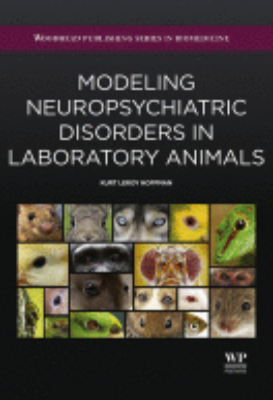
Modeling Neuropsychiatric disorders in laboratory animals
"Modeling Neuropsychiatric Disorders in Laboratory Animals serves as a guide for students and basic investigators in the fields of behavioral sciences, psychology, neuroscience, psychiatry, and other professionals interested in the use of animal models in preclinical research related to human neuropsychiatric disorders. The text focuses on the rationale and theory of using animal behavior, both pathological and normal, as a tool for understanding the neural underpinnings of neuropsychiatric disorders. Chapters contain discussions on both classical and modern views on the validation of animal models for neuropsychiatric disorders, also discussing the utility of endophenotypes in modeling neuropsychiatric disease. Subsequent chapters deal with four specific classes of disorders, including anxiety disorders, depressive disorders, obsessive-compulsive and related disorders. Final sections discuss the future for the development, validation, and use of animal models in basic and preclinical research. Key Features. Focuses on the rationale and theory of using animal behavior, both pathological and normal, as a tool for understanding the neural underpinnings of neuropsychiatric disorders. Serves as a guide for students and basic investigators in the fields of behavioral sciences, psychology, neuroscience, psychiatry, and other professionals. Discusses specific classes of disorders, including anxiety disorders, depressive disorders, obsessive-compulsive and related disorders"

Modern Approaches to Animal Cell Technology
Modern Approaches to Animal Cell Technology is a collection of papers presented at the 1987 joint European Society for Animal Cell Technology-OHOLO conference held in Tiberias, Israel. Contributors explore modern approaches to animal cell technology and discuss the construction of the animal cell substrate, the physiology of those cells in a bioreactor type of environment, and the ways in which different products can be made from animal cells in culture and tested. This book is comprised of 59 chapters divided into nine sections and begins by outlining the history of issues and decisions that were made regarding the acceptability of various cell substrates, along with the use of continuous cell lines in biotechnology. The next chapter explores the feasibility, reproducibility, and the sensitivity of the dot-blot filter hybridization test to detect minute amounts of residual cellular DNA. The reader is then introduced to cells and cell lines such as monoclonal antibodies; cell growth and development; physiology of cells; and the use of bioreactors for culturing animal cells. Downstream unit processes, vaccines, immune system products, and toxicity testing with animal cells are also considered. This monograph will be a valuable resource for animal-cell technologists, biotechnologists, and microbiologists.
Molecular Aspects of Animal Development
The Biochemistry of Animal Development, Volume III: Molecular Aspects of Animal Development provides an account of the developments in the molecular approach to vertebrate development with particular emphasis on the functions of nucleic acids. The book discusses topics on oocyte maturation, transcriptional patterns in early development, the post-transcriptional control of gene expression, and the significance of gene amplification. Morphogenetic substances, growth-promoting proteins, and the functional differentiation of mitochondria in embryonic systems are covered as well. Biochemists, biologists, and zoologists will find the book invaluable.
Muller & Kirk’s Small Animal Dermatology
Fully revised and updated, Muller & Kirk's Small Animal Dermatologyprovides students and veterinarians the most complete, up-to-date and user-friendly textbook of dermatology for dogs, cats, and pocket pets. This popular resource thoroughly details everything concerning etiology, pathogenesis, clinical signs, diagnosis, and therapy. Lavishly illustrated with clinical, microscopic and histopathological materials, it features over 1200 illustrations.
New Technologies in Animal Breeding
New Technologies in Animal Breeding looks at new reproductive technologies in breeding domestic animals, such as sex selection, frozen storage of oocytes and embryos, in vitro fertilization and embryo culture, amphibian nuclear transplantation, parthenogenesis, identical twins and cloning in mammals, and gene transfer in mammalian cells. It summarizes the state-of-the art and offers perspectives on future directions for several animal industries of great importance in food production, including artificial insemination, embryo transfer, poultry breeding, and aquaculture. Organized into five sections encompassing 14 chapters, this book begins with an overview of animals in society and perspectives on animal breeding. It then discusses the animal industries that are heavily dependent on reproductive technology, including those engaged in cloning, selfing, aquaculture, artificial insemination, and embryo transfer. It also explains the developing technologies as well as their potential applications and impacts on animal production, along with special economic considerations, such as the benefits of reproductive management, synchronization of estrus, and artificial insemination of beef cattle and sheep. The final chapter considers biomedical and agricultural research, implementation of new technologies in animal breeding, and research in animal reproduction. This book is an essential reference for scientists and researchers interested in animal science and animal reproduction.
Organization and Assembly of Plant and Animal Extracellular Matrix
Organization and Assembly of Plant and Animal Extracellular Matrix presents a state-of-the-art view of some of the experimental systems in plant and animal matrix biology. It discusses certain principles underlying establishment of complex three-dimensional architecture cross broad evolutionary boundaries. The opening chapter reviews studies on the cellular mechanisms responsible for storage, release, assembly, and function of extracellular matrices during early sea urchin development. The subsequent chapters describe the structure, assembly, disassembly, and molecular biology of the Chlamydomonas reinhardtii cell wall. The chapters also summarize the status of work on basement membrane assembly. Important insights into approaches to identify critical molecular domains and the complexity of relating defined molecular associations to establishment of matrix architecture are provided. A family of discovered cell wall genes that encode protein products containing up to 70% glycine is presented in Chapter 4. This is followed by a discussion on the role of alginate self-assembly in cell wall formation in Fucus. The book goes on to address the issue of protein-carbohydrate recognition with a detailed discussion of plant and animal lectins. Chapter 7 tackles a family of genes encoding higher plant hydroxyproline-rich glycoproteins (HRGPs) and the relationship between the HRGP genes cloned and their products. The final two chapters are devoted to one of the most important classes of protein modifying enzymes for extracellular matrix formation and function, the prolyl hydroxylases. This book will be of help to workers in plant and animal matrix in understanding information, approaches, and ideas that they may not normally encounter.
Osmotic and Ionic Regulation in Animals
Osmotic and Ionic Regulation in Animals focuses on the processes involved in osmoregulation. The book first discusses general considerations of osmoregulation in animals, including the distinction of body fluids, definitions, and properties of solutions and membranes. The text also looks at the different types of excretory organs, including the differentiation of the excretory organs of mollusks, crustaceans, and vertebrates; protonephridia; and excretion in insects. The selection also describes the ionic regulation in marine animals. Topics include the selective advantages of ionic regulation; mechanisms of ionic regulation; and composition of tissues. The text also discusses osmotic regulation in brackish and freshwater animals. The book also focuses on osmotic regulation in terrestrial animals, including salt gain and loss, secretions, water loss and uptake, and osmotic pressure and composition of blood. The text is a good source of information for readers interested in osmoregulation.
Oxygen in the Animal Organism
Oxygen in the Animal Organism is a compilation of papers presented during the symposium on Oxygen in the Animal Organism, jointly sponsored by the International Union of Biochemistry and the International Union of Physiological Sciences, held at Bedford College, London in September 1963. The book provides a multidisciplinary approach to the study of the subject of oxygen in the animal organism. The papers presented cover a wide range of facts and hypotheses on the subject. Topics discussed include studies in the transport of oxygen; the fundamental physics and chemistry of oxygen; the diffusion of oxygen from the capillaries to the mitochondria; the neural and humoral components to the regulation of ventilation; and the evolution of biochemical pathways for oxygen. Biologists, biochemists, biophysicists, physiologists, and researchers will find the text informative and insightful.
Pain Management in Animals
An ever-increasing number of drugs are available to veterinarians for use in the control of pain. This new, concise guide gives vets with all the information they need to choose the most appropriate pain medication for any clinical situation. Introductory chapters explain the physiology of pain and pharmacology of analgesics, and are followed by detailed chapters on management of acute and post-operative pain and chronic pain, the problems of pain management and pain assessment. Written by an international team of veterinary pain management experts,Pain Management in Animalsprovides vets with all the information they need to provide good pain control in all their patients.
Pathology of Domestic Animals: Volume 1 1963
Pathology of Domestic Animals, Volume 1 elaborates on the bone structure and diseases, as well as the genital, circulatory, and respiratory systems, of domestic animals. The manuscript first offers information on bones, joints, and synovial structures and diseases of joints, including adaptational deformities of the skeleton, metabolic diseases of bones, necrosis and inflammation of bones, and discontinuities of bone and the healing of fractures. The text then ponders on the circulatory and respiratory systems. Discussions focus on congenital anomalies of the heart and large vessels, myocardium, hypertrophy and dilation of the heart, pharynx and guttural pouches, larynx and trachea, lungs, and pleura and mediastinum. The publication examines the haemopoietic system and endocrine glands. Topics include blood and bone marrow, general reactions of erythrocytes to injury, lymphoreticular tissues, adrenal glands and paraganglia, and polycythaemia. The book then reviews the male and female genital systems. The manuscript is a valuable source of data for readers interested in the pathology of domestic animals.

Pathology of Domestic Animals: Volume 1 1993
"The all-new Fourth Edition of Pathology of Domestic Animals comprehensively covers the biology and pathology of diseases of domestic animals on a systemic basic. Updated and expanded to reflect the current knowledge of the study of domestic animal diseases, this three-volume set appeals to veterinarians, veterinary students, trainee veterinary pathologists learning the scope of their field, and practicing pathologists confronted with diagnostic problems. Key Features. All material completely updated and expanded to reflect the current knowledge of the study of diseases of domestic animals. Covers the biology and pathology of diseases of domestic animals on a global basis. Emphasizes the pattern of disease and the defense mechanisms of each organ system. Several new illustrations"

Pathology of Domestic Animals: Volume 2 Fourth Edition 1993
"The all-new Fourth Edition of Pathology of Domestic Animals comprehensively covers the biology and pathology of diseases of domestic animals on a systemic basic. Updated and expanded to reflect the current knowledge of the study of domestic animal diseases, this three-volume set appeals to veterinarians, veterinary students, trainee veterinary pathologists learning the scope of their field, and practicing pathologists confronted with diagnostic problems. Key Features. Improvements over the Third Edition:. All material completely updated and expanded to reflect the current knowledge of the study of diseases of domestic animals. Covers the biology and pathology of diseases of domestic animals on a global basis. Emphasizes the pattern of disease and the defense mechanisms of each organ system. Several new illustrations"

Pathology of Domestic Animals: Volume 2 Third Edition 1985
Pathology of Domestic Animals, Third Edition, Volume 2 deals with various aspects of veterinary pathology, with emphasis on the disease of domestic animals. This text covers animal diseases affecting the alimentary, urinary, and respiratory systems; the liver and biliary system; the pancreas; and the peritoneum, retroperitoneum, and mesentery. This book is organized into six chapters and begins with a discussion of diseases of the organs comprising the alimentary system, including the oral cavity, tonsils, salivary glands, esophagus, stomach, and intestine. Emphasis is given to congenital anomalies and infectious and parasitic diseases of the gastrointestinal tract. The reader is then introduced to conditions that afflict animal liver and biliary system, such as inflammation, and anomalies of the pancreas. The chapters that follow focus on congenital anomalies of the peritoneum, retroperitoneum, and mesentery, along with circulatory disturbances and diseases of the blood vessels. The book concludes with an account of respiratory diseases, including metabolic and circulatory disturbances of nasal cavity and sinuses, laryngitis and tracheitis, and pulmonary hypertension. This book is intended for practitioners of veterinary medicine as well as teachers and students of pathology in the hope that they will contribute to an understanding of animal disease.

Pathology of Domestic Animals: Volume 3 Fourth Edition 1993
"The all-new Fourth Edition of Pathology of Domestic Animals comprehensively covers the biology and pathology of diseases of domestic animals on a systemic basic. Updated and expanded to reflect the current knowledge of the study of domestic animal diseases, this three-volume set appeals to veterinarians, veterinary students, trainee veterinary pathologists learning the scope of their field, and practicing pathologists confronted with diagnostic problems. Key Features. All material completely updated and expanded to reflect the current knowledge of the study of diseases of domestic animals. Covers the biology and pathology of diseases of domestic animals on a global basis. Emphasizes the pattern of disease and the defense mechanisms of each organ system. Several new illustrations"

Planning and Designing Research Animal Facilities
"Research institutions have or are planning to build, expand and renovate animal research facilities to keep up with the demands of biomedical research caused in part by growth in the use of genetically altered rodents and the upsurge of research in infectious diseases. Properly designed facilities greatly facilitate effective management and high-quality day-to-day animal care that is required to optimally support animal research and testing. There are multiple solutions to address the myriad of factors that influence the design and construction of animal research facilities. There is no best design applicable for all facilities and arguably not even a single best design for a given facility. For this reason, Planning and Designing Research Animal Facilities is not intended to be a how to book. The goal is to cover the basic programmatic requirements of animal research facilities, provide ideas for meeting those requirements while, hopefully, stimulating the creative process in which designers in consultation with those who work in animal research facilities generate even better ideas. That is how progress has been made and will continue to be made. Key Features. Facilitates communication between the parties involved in planning and designing animal facilities by providing contemporary information, and stimulating creativity that will help lead to wise decisions and advance the knowledge base for planning, design and constructing animal research facilities"

Practical Animal Husbandry
Practical Animal Husbandry presents a contemporary framework of the main subject divisions of animal husbandry. Chapters are devoted to the discussion of handling of animals; the breeding of domestic livestock; the growth and development of animals; reproduction processes such as egg-laying in poultry, milk production in cows, sheep and goats; the right amount and the right quality of food; confinement and shelter for all types of domesticated livestock; and preventive medicine and animal welfare. Husbandsmen, veterinarians, and livestock producers will find the book highly informative.

Principles of Animal Research
"Principles of Animal Research is the first publication to offer a broad look at animal research science for a student, early researcher, or technician. Offering guidance for all aspects of the research experience, including the research and development of a thesis, model selection, experimental design, IACUC protocol preparation, and animal husbandry and technical procedural needs, the book is a necessary addition to every student, technician, and researchers education. Key Features. Provides background material for students to understand the broader backdrop against which animal research is undertaken. Includes ethical and regulatory information. Covers commonly used animal models and the process to choose a model for biomedical research"

Production of Biologicals from Animal Cells in Culture
Production of Biologicals from Animal Cells in Culture reviews the state of the art in animal cell biotechnology, with emphasis on the sequence of events that occur when generating a biological from animal cells in culture. Methods that enable adjustment of nutrient feed streams into perfusion bioreactors so as to increase productivity are described. A number of issues are also addressed, such as the usefulness of the fingerprint method for cell characterization. Comprised of 135 chapters, this book begins with an overview of the problems and benefits of animal cell culture, followed by a discussion on the isolation of immortal murine macrophage cell lines. The reader is systematically introduced to the use of DNA fingerprinting to characterize cell banks; immortalization of cells with oncogenes; lipid metabolism of animal cells in culture; and energetics of glutaminolysis. Subsequent chapters explore serum-free and protein-free media; the physiology of animal cells; gene expression in animal cell systems; and animal cell bioreactors. The monitoring and assay of animal cell parameters are also considered, along with downstream processing and regulatory issues. This monograph will be of interest to students, practitioners, and investigators in the fields of microbiology and biotechnology.
Protein Deposition in Animals
Protein Deposition in Animals explores the factors controlling protein deposition in farm animals including fish, poultry, and ruminants. Topics covered range from protein biosynthesis in eukaryotic cells and protein metabolism in intact animals to whole-body amino acid metabolism, synthesis of egg proteins, and metabolism of the fetus. The energy costs of protein metabolism, dietary constraints on nitrogen retention, and metabolism in muscle are also discussed. Emphasis is placed on the factors that influence protein production by animals. This book is comprised of 15 chapters; the first of which explains some fundamental aspects of protein synthesis, followed by a topic of the molecular control of protein breakdown. Two chapters then consider the measurement of whole-body protein metabolism and the integration of the metabolism of individual organs with the rest of the animal. Two 'tissues', the muscle and the fetus, are singled out for detailed analysis in subsequent chapters, while another chapter describes the synthesis of egg proteins. The factors that influence overall nitrogen retention by the animals are also examined, along with the energy costs of protein deposition, hormonal influences on protein deposition, and the use of anabolic agents to manipulate growth. Two chapters, one on poultry and the other on ruminants, are concerned with predicting rates of protein deposition. This text concludes by discussing the protein metabolism in fish. This book will be of interest to scientists working in the fields of applied biochemistry, animal nutrition and physiology, physiology, and agriculture.
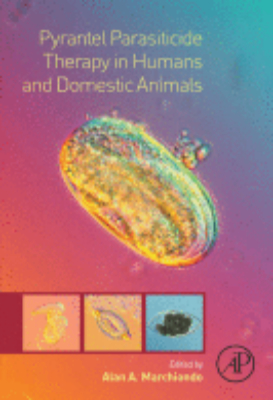
Pyrantel Parasiticide Therapy in Humans and Domestic Animals
"Pyrantel Parasiticide Therapy in Humans and Domestic Animals presents a single source history and reference on the parasiticide activity and pharmacology of the tetrahydropyrimidines and their salts in humans and domestic animals, also collating evidence that resistance to pyrantel has developed in human and domestic animal nematodes. Other books of this nature have been compiled historically for specific anthelmintic compounds, but none has been written to date for the pyrantel family of drugs. Pyrantel, a nicotinic receptor agonist, has been used in domestic animal and human medicine since the 1970s to control two important nematode groups, the hookworms and the roundworms. Given the zoonotic potential of these parasites, pyrantel has served a dual role in helping to protect the health of both domestic animals and the public for more than 45 years. Key Features. Easy-to-use reference guide on the anthelmintic pyrantel for clinicians, parasitologists, and researchers in human and veterinary medicine. Addresses current issues of resistance, along with combination uses against anthelmintic resistant parasites. Presents useful, authoritative information (chemical, pharmaceutical, clinical, etc.) for the pyrantel family of compounds. Includes a discussion on pyrantels potential role in combination therapies. Provides cutting-edge material, and will be an evolving area of scientific discussion of treatment options in the future"
Quantitative Methods in the Study of Animal Behavior
Quantitative Methods in the Study of Animal Behavior covers a symposium on quantitative methods in behavior. In this book, mathematics is used in two ways statistical approaches (techniques that describe the main patterns and variability of behavior patterns) and model building. Composed of six chapters, the book opens with a discussion on the three areas of classical ethology social dominance, behavioral taxonomy, and behavioral variability. The following chapter focuses on the information theory as an ethological tool. In Chapter 3, application of multivariate analyses to diverse ethological data is discussed. The next part of the book discusses more in detail the animal behavioral patterns, relationships, and sequences. The book is a good reference for various fields such as biological science, marine science, and zoology. Students, teachers, scientists, and researchers interested in the aspects of statistics and patterns in animal behavior can make use of this book as a valuable resource.