
E-Resources

Contemporary Problems in Plant Anatomy
Contemporary Problems in Plant Anatomy contains the proceedings of a plant anatomy symposium that took place at Duke University and The University of North Carolina at Chapel Hill in 1983. The symposium addressed challenges in four basic research areas in contemporary plant anatomy: leaf development, floral development, differentiation of cells and tissues, and systematic and ecological anatomy. The book highlights new techniques and approaches for dealing with problems in each of these areas. Organized into 12 chapters, this volume begins with an overview of the stem-conducting tissues in monocotyledons; the development of vascular tissue patterns in the shoot apex of ferns; the role of subsidiary trace bundles in stem and leaf development of the dicotyledoneae; and the structure of phloem. It then discusses the cellular parameters of leaf morphogenesis in maize and tobacco; alternative modes of organogenesis in higher plants; morphological aspects of leaf development in ferns and angiosperms; the origin of symmetry in flowers; and intraspecific floral variation. The reader is also introduced to structural correlations among wood, leaves, and plant habit; relationships between structure and function in trees; and the development of inflorescence, androecium, and gynoecium with reference to palms. This book is a valuable source of information for plant anatomists.

Controlled Environment Guidelines for Plant Research
Controlled Environment Guidelines for Plant Research contains the proceedings of the Controlled Environments Working Conference held in Madison, Wisconsin, on March 12-14, 1979. The papers propose guidelines for measuring and reporting environmental conditions in controlled environment facilities that affect plant growth, including temperature, radiation, carbon dioxide, soil moisture, atmospheric moisture, and air movement. They also suggest how to perform measurements accurately and in ways that can be repeated by other investigators. Organized into 34 chapters, this volume begins with an overview of measurement, instrumentation, and procedures for growing plants in controlled environments. It then turns to a discussion of radiation measurements for plant growth studies in controlled environments; principles of heat transfer; plant response to increased humidity; humidification and dehumidification; carbon dioxide variations within plant growth chambers; and watering of plants in controlled environments. The reader is also introduced to precision and replication of measurements, along with interactions among environmental factors such as water, light intensity, mineral supply, temperature, air pollution, and nutritional preconditioning. Biologists and engineers, as well as plant physiologists and physicists, will find this book extremely useful.
Current Good Manufacturing Practices/Food Plant Sanitation
For many years the first edition of Current Good Manufacturing Practices/Food Plant Sanitation has been a standard guide and reference for the food processing industry. This second edition systematically covers all aspects of sanitation in all types of food plants. It provides food plant managers with the practical, basic information they need for planning, management and procedures. The text is supplemented with numerous illustrations, checklists, and sample forms. Application of the valuable information in this new edition will help food processing managers avoid regulatory problems and produce food products that achieve marketplace acceptance.

Design Operation Interactions at Large Treatment Plants
Design-Operation Interactions at Large Treatment Plants deals with the different plans and designs to improve large treatment plans, the feasibility of these plans, the problems they might entail, and the solutions for current and prospective problems these treatment plants may face. The book shows the possible new directions that treatment plants may go to through assessment, planning, and new technology, as well as the the design for the treatment plants and the many considerations to be kept in mind in designing of one. Also included is an instructional guide on the functions an importance of the different parts of the treatment plant, the specific problems and their solutions, and improvements that can be done to it. The text is recommended for engineers and planners working in treatment plants, those in charge of sanitation and urban development and improvement, government agencies who wish to evaluate and even propose plans of building a treatment plant, and environmentalists who wish to know more about the treatment plant.

Differential Growth in Plants
Differential Growth in Plants contains the papers presented at Symposia 2.04 ""Spatial and Temporal Patterns of Development"" and 2.14 ""Movements Based on Differential Flank Growth"" at the XIV Botanical Congress held in Berlin during July 1987. Organized into 10 chapters, this book begins by explaining the differential growth in plants. Some chapters follow on the biophysics of differential growth; the phototropic behavior of hypocotyls and coleoptiles in connection with the distribution of indole-3-acetic acid and of growth-inhibiting substances within them; and the differential growth and hormone redistribution in gravireacting maize roots. Other topics explained include plant movements caused by differential growth; genetic analysis of tropic responses; growth and bending of a cylindrical structure in terms of the distribution of relative growth rates; and differential growth resulting in the specification of different types of cellular architecture in root meristems. This book also elucidates the curving and twinning of stems, as well as the spatio-temporal analysis of flower ontogenesis.

Disease Resistance in Plants
Disease Resistance in Plants, Second Edition, looks at genetic, epidemiologic, biochemical, and biometric principles for developing new cultivars possessing genetic resistance to diseases. It examines the nature of disease resistance and resistance genes, and it highlights the importance of stabilizing selection, sugar, biotrophy, and necrotrophy to obtain the greatest possible yields. Organized into 17 chapters, this volume begins with an overview of disease resistance in plants and the ways to develop disease-resistant variants. It then discusses unspecific resistance; the resistance gene paradox; susceptibility and resistance within narrow host taxa; phenotypic variation and gene numbers in host plants; discontinuous variation and cytoplasmic inheritance; and experimental difficulties in partitioning variance. The reader is also introduced to epistasis and the structure of virulence in pathogens; the notion of physiological race; how the pathogen adapts to the host; mutation in the pathogen from avirulence to virulence; horizontal and vertical resistance to disease and its epidemiological effects; and the link between protein polymorphism and vertical resistance. In addition, the book discusses genes for susceptibility in the host versus genes for avirulence (or virulence) in the pathogen; sink-induced loss of resistance; high-sugar disease processes and biotrophy; slow rusting of cereal crops; plant resistance against endemic disease; and the accumulation of resistance genes in heterogeneous host populations. This book will be useful to plant pathologists and plant breeders.
Economic and Medicinal Plant Research
This series identifies areas of research in natural plant products that are of immediate or projected importance from a practical point of view. It reviews these areas in a concise and critical manner. Graduate students, researchers will find the timely reviews presented here to be invaluable. Decision makers in industry and government agencies will also find the material beneficial.

Effects of Poisonous Plants on Livestock
Effects of Poisonous Plants on Livestock documents the proceedings of a U.S.-Australian symposium on the effects of poisonous plants on domestic livestock. The symposium was held at Utah State University in Logan, Utah, on 19-24 June 1977. The volume is organized into eight parts. Part I discusses poisonous plant problems in the United States and Australia. Part II contains papers on general topics such as inorganic toxicants and poisonous plants; the hazard of plant toxicities to the human population; and selenium in plants as a cause of livestock poisoning. Part III examines the effects of simple phytotoxins such as selenium and oxalate on livestock. Part IV focuses on the effects of plant hepatotoxins, including pyrrolizidine alkaloids, Artemisia nova, and Tetradymia spp. Part V deals with plant cardio/pulmonary toxins such as Myoporum spp. and Pimelea spp. Part VI tales up plant neurotoxins while Part VII discusses plant teratogens and toxins affecting reproduction. Part VII presents studies on other toxic substances. It includes studies on oak poisoning and pine needle abortion in cattle.

Electron Microscopy of Plant Cells
Electron Microscopy of Plant Cells serves as manual or reference of major modern techniques used to prepare plant material for transmission and scanning electron microscopy. There have been other books that generally discuss electron microscope methodology. This book focuses on problem areas encountered through the presence of tough cell walls and large central vacuole. It details preparative techniques for botanical specimens. Each of the nine chapters of this book covers the basic principles, useful applications, and reliable procedures used on the method of electron microscopy. Other topics discussed in each chapter include the general preparation and straining of thin sections, quantitative morphological analysis, and enzyme cytochemistry. This book also explains the immunogold labelling, rapid-freezing methods, and ambient- and low-temperature scanning electron microscopy among others. This book will be invaluable to general scientists, biologists, botanists, and students specializing in plant anatomy.
Environment and the Experimental Control of Plant Growth
Environment and the Experimental Control of Plant Growth centers on the general role of environmental factors in plant growth and methods of providing the desired levels and limit of control. The book is organized into seven chapters focusing on the various factors in the environment, such as temperature, light, carbon dioxide, and water. It also describes the controlled environments for plant research. This book will help biologists understand what he is buying or constructing in terms of environment variability in plant growth facilities. It will also provide some help and guidance to those who have encountered the problem of not obtaining the degree of control they have expected in the units they have in hand.

Environmental Control of Plant Growth
Environmental Control of Plant Growth consists of the proceedings of a symposium held at Canberra, Australia, in August 1962. The symposium aims to consider the natural microenvironments of plants and the associations between natural and controlled environments. It also considers the physiological and genetic bases of responses by plants to environmental conditions. The book contains 24 chapters and discusses the physics of plant environment, as well as the physical quantities within plant-air layers. It also elucidates the energy and water balance, light relations, gas exchange, and energy relations in plant communities. The book also looks into the respiration of various organs and of whole plants. Lastly, the effects of the environment, including climatic factors, on the metabolism of plant cells are addressed.
Environmental Injury to Plants
The reaction of plant tissue to stress is of critical importance to growers concerned with the production of horticultural or agronomical plants on a large scale. This book discusses several factors that contribute to plant stress, including freezing and chill injury, drought stress, heat shock, salt stress, and toxic metals. The detection of plant stress by remote sensing devices is also examined.
Environmental Physiology of Plants
"This is the third edition of an established and successful university textbook. The original structure and philosophy of the book continue in this new edition, providing a genuine synthesis of modern ecological and physiological thinking, while entirely updating the detailed content. New features include a fresh, unified treatment of toxicity, emphasizing common features of plant response to ionic, gaseous, and other toxins, explicit treatment of issues relating to global change, and a section on the role of fire in plant physiology and communities. The illustrations in the text are improved over previous editions, including color plates for the first time, and the authors' continuing commitment to providing wide citation of the relevant literature has further improved the reference list. This revision of Environmental Physiology of Plants will ensure the reputation of this title as a useful and relevant text well into the 21st century. Key Features. Includes enhanced illustrations, now with color plates. Examines new molecular approaches which can be harnessed to solve problems in physiology. Features new topics such as the unified treatment of toxicity, an explicit treatment of the issues relating to global change, and a section on the role of fire"
Ethylene and Plant Development
Ethylene and Plant Development documents the Proceedings of the Thirty-ninth University of Nottingham Easter School in Agricultural Science, held at Sutton Bonington on 26-30 March 1984. The conference was entitled ""Ethylene and Plant Development"" and included a workshop, organized in conjunction with the Association of Applied Biologists, on the ""Practical control of ethylene in fruit, vegetables, and flowers."" This volume contains a mixture of review and research papers thus giving a thorough coverage on the subject. The workshop reviewed the practical methods and advantages of either applying ethylene to, or removing ethylene from, various commercial products. The rest of the conference dealt with the more fundamental aspects of ethylene synthesis and action during the developmental processes in which the gas is active. Emphasis was particularly placed on the effects of ethylene on gene expression and cell development since advances in these areas may eventually lead to a more scientifically-based control of ethylene levels and action within the plant.
Ethylene in Plant Biology: 1973
Ethylene in Plant Biology focuses on the role of ethylene in plant physiology and the interrelationship between ethylene, fruit ripening, and respiration. It summarizes the physiology, biochemistry, production, regulation, plant effects, metabolism, and mechanism of action of ethylene. This book presents an introduction to basic chemistry of ethylene and available techniques for its sampling and analysis. Then, it discusses the rate, environmental conditions, and reactions involved in ethylene production. Chapter 4 examines the effects of herbicides and hormones, such as auxin, gibberellins, cytokinins, and abscisic acid, on ethylene production. Meanwhile, the next chapter studies the so-called stress ethylene phenomenon in plants. In particular, this book examines the role of insects, temperature, water, gamma-irradiation, and mechanical and chemical stimuli in stress ethylene. The biochemical aspects of ethylene are covered in the subsequent chapters. These include its role in growth and development of plant, phytogerontological activity, role in ethylene synthesis, respiration, pigmentation, and hormone regulation. Chapter 9 presents the activity of ethylene relative to other hydrocarbon analogs and dose-response relationships for a number of ethylene-mediated processes. The concluding chapters tackle the attachment of ethylene to its site of action, including epinasty, root initiation, intumescence formation, and floral initiation. A discussion on the issue of ethylene air pollution is included. This book will be useful to both undergraduate students and professional workers, especially those who have background in plant anatomy, plant physiology, or biochemistry.
Ethylene in Plant Biology: Second Edition 1992
"Ethylene in Plant Biology, Second Edition provides a definitive survey of what is currently known about this structurally simplest of all plant growth regulators. This volume contains all new material plus a bibliographic guide to the complete literature of this field. Progress in molecular biology and biotechnology as well as biochemistry, plant physiology, development, regulation, and environmental aspects is covered in nine chapters co-authored by three eminent authorities in plant ethylene research. This volume is the modern text reference for all researchers and students of ethylene in plant and agricultural science. Key Features. Completely updated. Concise, readable style for students and professional. Contains an extensive bibliographic guide to the original literature. Well illustrated with diagrams and photographs. Thorough coverage of: ethylene and ethephon roles and effects stress ethylene, biosynthesis of ethylene, molecular biology of ethylene, action of ethylene, agricultural uses of ethylene"
Exotic Plant Pests and North American Agriculture
Exotic Plant Pests and North American Agriculture examines the threat posed by exotic pests introduced to North American agriculture. It considers the impact of introduced pests on humans, and it highlights the need for intensified research efforts and international cooperation to prevent further introductions. Organized into 17 chapters plus an epilogue, this volume begins with a historical overview of pest introductions, including insects and mites, and possible introductions in the future. It then discusses the impact of introduced weeds in North America; ecology and genetics of exotic species; how to detect and stop pest introductions; and research on exotic insects, plant pathogens, and weeds. The reader is also introduced to the use of exotic natural enemies for biological control of exotic pests, prediction of potential epidemics caused by exotic pests, insurance against exotic plant pathogens, and international cooperation on controlling exotic pests. Scientists, plant pathologists, ecologists, and those working in academics, government research laboratories, and regulatory agencies will benefit from reading this book.
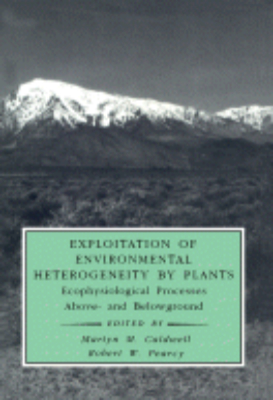
Exploitation of Environmental Heterogeneity by Plants
There is a new emerging interest in the effects of gaps and patches on succession and biodiversity. This innovative volume is a synthesis of studies of plant responses to temporal and spatial heterogeneity, the exploitation of resources from pulses and patches by plants, and their competition with neighbors in the face of this variability.Aboveground, the book focuses upon the nature of canopy patchiness, consequences of this heterogeneity for the light environment, and the mechanisms by which plants respond to and exploit this patchiness. Belowground, the text explores the heterogeneity of soil environments and how root systems obtain nutrients and water in the context of this temporal and spatial variability. As a new reference in an evolving and growing field, this text is sure to be a valuable tool for researchers and advanced students in plant physiology, ecology, agronomy, and forestry alike.
Flooding and Plant Growth
Flooding and Plant Growth covers the state of knowledge and opinion on the effects of flooding of soil with fresh or salt water on the metabolism and growth of herbaceous and woody plants. The book discusses the extent, causes, and impacts of flooding; the effects of flooding on soils and on the growth and metabolism of herbaceous plants; and the responses of woody plants to flooding. The text also describes the effect of flooding on water, carbohydrate, and mineral relations, as well as the effects of flooding on hormone relations and on plant disease. The adaptations to flooding with fresh water and the adaptations of plants to flooding with salt water are also encompassed. Agronomists, biochemists, plant ecologists, engineers, foresters, horticulturists, plant anatomists, meteorologists, geneticists, plant breeders, plant physiologists, and landscape architects will find the book invaluable.
From Plant Genomics to Plant Biotechnology
With the appearance of methods for the sequencing of genomes and less expensive next generation sequencing methods, we face rapid advancements of the -omics technologies and plant biology studies: reverse and forward genetics, functional genomics, transcriptomics, proteomics, metabolomics, the movement at distance of effectors and structural biology. From plant genomics to plant biotechnology reviews the recent advancements in the post-genomic era, discussing how different varieties respond to abiotic and biotic stresses, understanding the epigenetic control and epigenetic memory, the roles of non-coding RNAs, applicative uses of RNA silencing and RNA interference in plant physiology and in experimental transgenics and plants modified to specific aims. In the forthcoming years these advancements will support the production of plant varieties better suited to resist biotic and abiotic stresses, for food and non-food applications. This book covers these issues, showing how such technologies are influencing the plant field in sectors such as the selection of plant varieties and plant breeding, selection of optimum agronomic traits, stress-resistant varieties, improvement of plant fitness, improving crop yield, and non-food applications in the knowledge based bio-economy. Key Features Discusses a broad range of applications: the examples originate from a variety of sectors (including in field studies, breeding, RNA regulation, pharmaceuticals and biotech) and a variety of scientific areas (such as bioinformatics, -omics sciences, epigenetics, and the agro-industry) Provides a unique perspective on work normally performed 'behind closed doors'. As such, it presents an opportunity for those within the field to learn from each other, and for those on the 'outside' to see how different groups have approached key problems Highlights the criteria used to compare and assess different approaches to solving problems. Shows the thinking process, practical limitations and any other considerations, aiding in the understanding of a deeper approach
Fundamentals of Bacterial Plant Pathology
"Intended as a text for plant bacteriology courses and as a reference for plant pathologists in agricultural extension services and experimental stations, Fundamentals of Bacterial Plant Pathology presents current information on bacterial morphology, taxonomy, genetics, and ecology. Diagnosis, disease management, and the molecular basis of host-pathogen interactions are examined. The book is well illustrated, includes both subject and taxonomic indexes, and provides suggestions for the further reading. Key Features. Provides an overview on phytopathogenic prokaryotes and plant prokaryote diseases. Contains detailed descriptions of topics of current interest including: Molecular Genetics of Pathogenesis. Modern taxonomy and ecological behaviors of phytopathogenic prokaryotes. Biological control of plant prokaryote diseases. Presents full descriptions of eighteen selected diseases of economic interest"

Fundamentals of Plant Virology
"Fundamentals of Plant Virology is an introductory student text covering all of modern plant virology. The author, Dr. R.E.F. Matthews, has written this coursebook based on his classic and comprehensive Plant Virology, Third Edition. Four introductory chapters review properties of viruses and cells and techniques used in their study. Five chapters are devoted to current knowledge of all major plant viruses and related pathogens. Seven chapters describe biological properties such as transmission, host response, disease, ecology, control, classification, and evolution of plant viruses. A historical and future overview concludes the text. Fundamentals of Plant Virology is a carefully designed instructional format for a plant virology course. It is also an invaluable resource for students of plant pathology and plant molecular biology. Key Features. Summarizes knowledge on all aspects of plant virology. Condenses all essential material from Plant Virology 3/e. Compares basic properties of cells and viruses. Outlines principles of gene manipulation technology. Discusses serological techniques including monoclonal antibodies. Geared to student level course"
Fungal Pathogenicity and the Plant’s Response
Fungal Pathogenicity and the Plants Response covers the proceedings of the Third Long Ashton Symposium held at Long Ashton Research Station University of Bristol on September 22-24, 1971. Topics for this biennial symposium are decided for their importance to Agriculture and Horticulture and for the timeliness of a critical review of developments in fungal pathogenicity and plants response. Composed of five sections, this book discusses the direct involvement of fungal proteins in fungal pathogenicity, the role of extracellular enzymes in fruit rotting, and the control of vertical distribution of apple scab disease. It then examines the role of ethylene in plant diseases, growth of obligate parasites, and the concepts of host-pathogen relations. It also focuses on plants induced and preformed resistance factors, including phaseollin, phytoalexin, and benzoic acid. The concluding section discusses the significant role of enzymes, particularly lysosomal enzymes, in fungal pathogenicity. With a strong focus on original data and speculative comment on host-parasite contact, this book will be helpful for research workers, teachers, and students who wish to broaden their knowledge in fungal pathogenicity.
Fungal Wilt Diseases of Plants
Fungal Wilt Diseases of Plants focuses on wilt diseases caused by the fungal genera Verticillium, Fusarium, and Ceratocystis. Special attention is given to the interactions of physiological, biochemical, and anatomical factors, as these relate to pathogenesis and mechanisms of disease resistance. Organized into 16 chapters, this book begins with a description, in a historical perspective, of the major research themes in fungal wilt diseases. It then looks into the worldwide status of this plant disease. The three subsequent chapters describe the epidemiology and life cycle of the major fungal wilt pathogens in Fusarium, Verticillium, and Ceratocystis. This book also provides an in-depth view of the genetics and biochemistry of these pathogens; the nature of pathogenesis and the effects of wilt pathogens on host-water relations; and the sources and genetics of host resistance in field and fruit crops, vegetable crops, and shade trees. Other chapters are dedicated to the biochemistry, physiology, and the anatomical aspects of resistance and to the progress in the biological and chemical control of these pathogens. This text will be of great value to graduate students and senior research scientists in plant pathology, physiology, and biochemistry, who are specifically involved in studying wilt diseases and host-parasite interactions. It will provide them the detailed background information needed to supplement their specialized research interests.
Gaseous Air Pollutants and Plant Metabolism
Gaseous Air Pollutants and Plant Metabolism mainly talks about plants and air pollution. The publication of this book is inspired by a symposium on plants and pollution, which generated great interest among the personnel related to the field. The book begins with a brief background on air pollution and continues with a discussion on different types, effects, and solutions to the pollution. The book also features studies about the gaseous air pollution in North America, China, and Japan. The chapters that follow explore the different effects of pollution on chloroplasts, respiration, biochemistry, plant, and plant cells. The text is a valuable reference to undergraduates or postgraduates of chemistry and its related studies.

Genetic Engineering of Crop Plants
Genetic Engineering of Crop Plants is a proceeding of The 49th Nottingham Easter School in Agricultural Science, which was held at Sutton Bonington on April 17-21, 1989. This symposium discussed progress in the generation of crop species resistant to herbicides, viruses, and insects. The book discusses topics such as the genetic manipulation in plants; genetic engineering of crops for insect and herbicide resistance; the expression of heat shock gene in transgenic plants; and tuber-specific gene expression. The book also covers topics such as regulation of gene expression in transgenic tomato plants; the molecular biology of pea seed development; and the regulatory elements of maize storage protein genes. The text is recommended for experts in the field of botany, agriculture, and genetics who would like to know more about the improvement of crop plants through genetics.
Growth Control in Woody Plants
The processes and mechanisms that control the growth of woody plants are of crucial importance for both economic and biological reasons. The comprehensive coverage of Growth Control in Woody Plants includes discussion of the growth controlling factors in both reproductive structures (flowers, fruit, seeds, pollen, etc.) and vegetative organs (stems, branches, leaves, and roots). Other major topics covered include seed germination, seedling growth, physiological and environmental regulation of growth, cultural practices, and biotechnology. This comprehensive treatment of the many factors that control the growth of woody plants can serve both as a valuable text and as a frequently used reference. Key Features * Includes comprehensive representation of a broad subject* Provides thorough bibliographic coverage * Well illustrated* Serves as a vital companion to Physiology of Woody Plants, Second Edition